April 3, 2026
Metal sculptures and artifacts are significant components of cultural heritage, embodying artistic achievements and historical narratives. However, exposure to environmental factors can lead to deterioration, necessitating effective preservation strategies. Metal refinishing emerges as a critical process in maintaining the longevity and integrity of these treasured items. This blog explores how refinishing supports the long-term care of sculptures and artifacts.
Refinishing Basics
Definition and Overview
Metal refinishing refers to the process of restoring or enhancing the finish of metal objects, including sculptures and artifacts, to prolong their life and retain their original aesthetic. This process involves cleaning, repairing, and often applying protective layers to the surface. Refinishing is not only about appearance but also about preserving the structural integrity of the artwork. It is a blend of artistry and technical skill, requiring careful assessment and application of various techniques. Proven methodologies in refinishing help protect these valuable cultural artifacts from the ravages of time and environmental exposure.
Historical Context
The practice of refinishing dates back centuries, with artisans historically using rudimentary but effective techniques to maintain metalwork. Ancient civilizations recognized the importance of preserving their metal artifacts, and over time, the process has evolved with advances in technology. Historically, these practices were manual and required a great deal of skill and patience. Today, we build upon this rich legacy using modern tools and materials that allow for more efficient and effective refinishing. Understanding the historical context of refinishing helps us appreciate the evolution of techniques used in preserving cultural heritage.
Materials and Tools Involved
The materials and tools involved in metal refinishing are diverse and specialized. They include abrasives, sealants, polishing compounds, and a variety of brushes and buffers. Modern innovations have brought about advanced tools such as laser technology and precision instruments that allow for more delicate and precise refinishing tasks. Selecting the right materials and tools is crucial, as this can significantly impact the quality and durability of the refinishing work. Consequently, the expertise in handling these tools plays a pivotal role in the successful preservation of sculptures and artifacts.
Significance in Artifact Preservation
Refinishing holds tremendous significance in the realm of artifact preservation. It directly contributes to the longevity and aesthetic maintenance of priceless cultural treasures. The refinishing process not only restores the original look but also safeguards the artifact from further deterioration. As such, it plays a critical role in museums and private collections, where maintaining artifacts in their best possible condition is paramount. It also supports the art restoration service market, which, according to WiseGuy Reports, is expected to experience a compound annual growth rate of approximately 7.5% between 2025 and 2035.
The Impact of Environmental Factors
Weathering and Corrosion
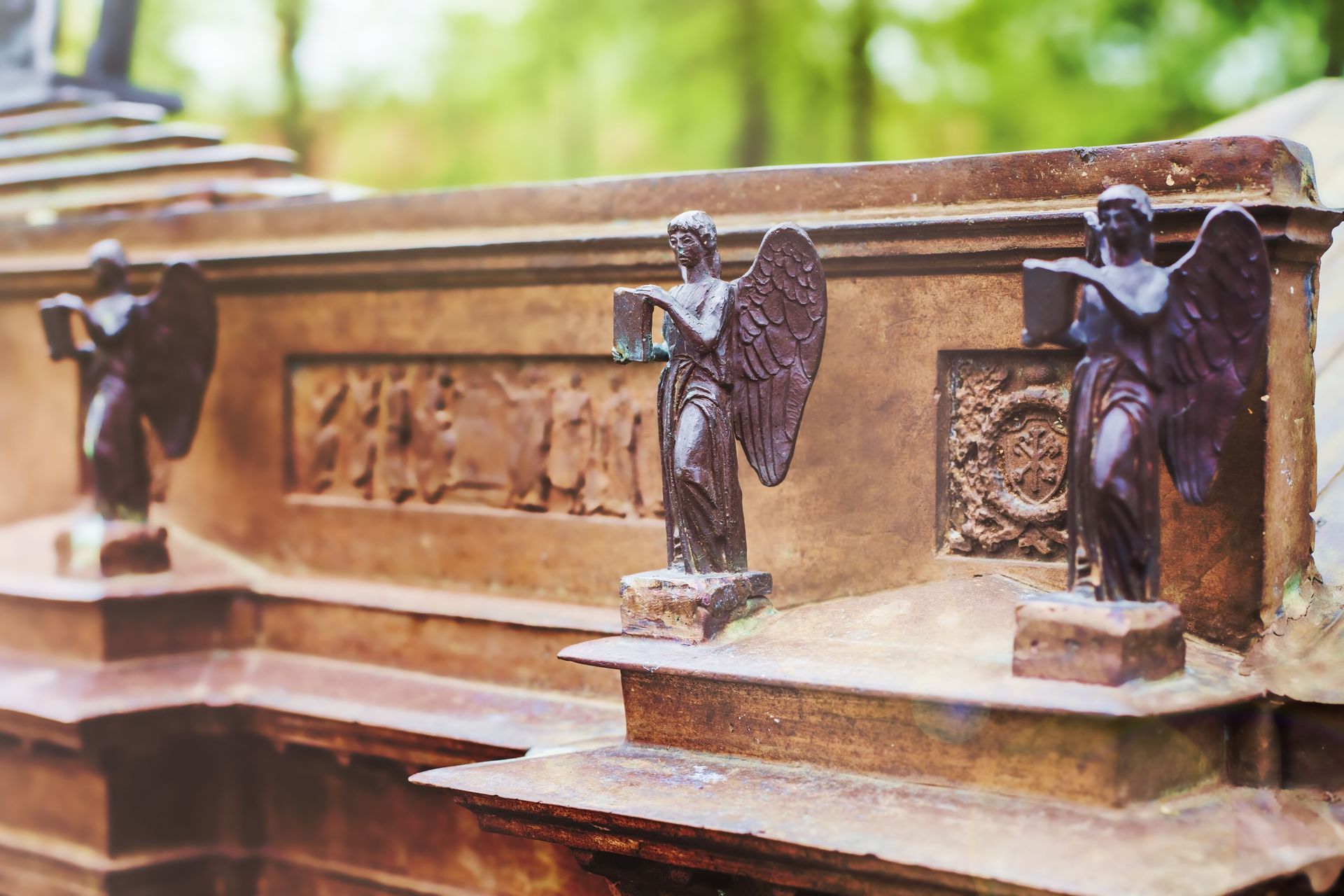
Weathering and corrosion are two of the most significant threats to metal artifacts. Weathering encompasses the physical and chemical breakdown of materials due to environmental exposure, while corrosion refers to the oxidation and deterioration of metal. Metal sculptures kept outdoors are particularly vulnerable, as they face relentless exposure to the elements. Refinishing helps mitigate these effects by applying protective coatings that shield the metal from moisture and oxygen. Understanding the impact of these environmental factors is crucial for effective preservation measures.
Pollution and Contaminants
Pollution and environmental contaminants also play a significant role in the deterioration of metal sculptures and artifacts. Urban pollutants such as sulfur dioxide and particulates can accelerate corrosion and tarnish metal surfaces. For indoor artifacts, contaminants such as dust and moisture can still pose significant risks. Regular maintenance and refinishing can combat these factors by providing a barrier that isolates the metal surface from harmful elements. This emphasizes the importance of monitoring the environmental conditions surrounding valuable artifacts.
Humidity and Temperature Variations
Humidity and temperature variations can also wreak havoc on metal artifacts. Changes in moisture levels can lead to condensation on metal surfaces, while temperature fluctuations can cause thermal expansion and contraction, resulting in structural stress. Refinishing methods often include treatments that help stabilize the metal's environment, reducing the differential expansion rates that cause physical stress. By implementing strategies to control indoor climate conditions, custodians can enhance the protection provided by refinishing methods. Addressing these environmental challenges is a critical step in preserving the integrity of metal artifacts.
Role in Mitigating Damage
Metal refinishing serves as a fundamental component in mitigating environmental damage to sculptures and artifacts. By employing methods such as sealing and protective coating, refinishing minimizes the direct exposure of metal surfaces to pollutants and moisture. Additionally, the process of regular cleaning removes accumulated contaminants, preventing them from causing surface degradation. As a proactive measure, refinishing exemplifies how preventive maintenance can preserve the lifespan of metal artifacts. This underscores the role of refinishing as an essential strategy in the long-term care of cultural heritage items.
Refinishing Techniques and Methods
Cleaning and Surface Preparation
The first step in metal refinishing involves thorough cleaning and surface preparation. This is critical as it ensures all contaminants, residues, and oxidation are removed before any refinishing process is applied. Techniques can range from simple washing to more advanced methods such as chemical baths and electrochemical cleaning, depending on the metal's condition. Surface preparation ensures that subsequent coatings adhere properly, enhancing durability and effectiveness. It sets the foundation for the refinishing process, making it an indispensable part of artifact conservation.
Coating and Sealing
After preparing the surface, coating and sealing are applied to protect the metal. Coatings can be tailored for specific environmental threats, such as UV-resistant layers for outdoor sculptures. Sealants act as a barrier to moisture and air, slowing down oxidation and corrosion processes. Proper coating and sealing not only restore appearance but also significantly extend the artifact's life by providing an effective shield against environmental factors.
Polishing and Buffing
Polishing and buffing are the final steps in the metal refinishing process, aimed at restoring luster and smoothness to metal surfaces. Different materials and techniques are used to bring out the natural shine of metals, completing the aesthetic restoration. Precision in polishing is vital as it affects both the texture and the reflectivity of the surface. Buffing provides a final touch to even out the surface, giving the artifact a cohesive and finished appearance. These methods play a crucial role in enhancing both the functional and aesthetic aspects of artifacts.
Restorative vs. Preventive Techniques
Refinishing techniques can be categorized into restorative and preventive measures. Restorative methods focus on returning the artifact to its original state after deterioration has occurred, often involving intricate and intensive processes. Preventive techniques aim to protect existing conditions, rather than repair damage, using more subtle and ongoing treatments. Both approaches are essential, as the choice between them depends on the artifact's current state and future exposure risks. Combining these methods ensures comprehensive care for metal sculptures and artifacts.
Metal refinishing plays an essential role in the conservation of sculptures and artifacts, ensuring that these cultural treasures continue to inspire and educate future generations. By understanding the techniques, benefits, and case studies associated with refinishing, stakeholders can make informed decisions that contribute to the long-term care of these invaluable pieces. If you have any questions or would like more information about our services, please don't hesitate to reach out to our team. Call us at A.T. Merhaut, Inc Church Restoration & Supply today.