May 27, 2026
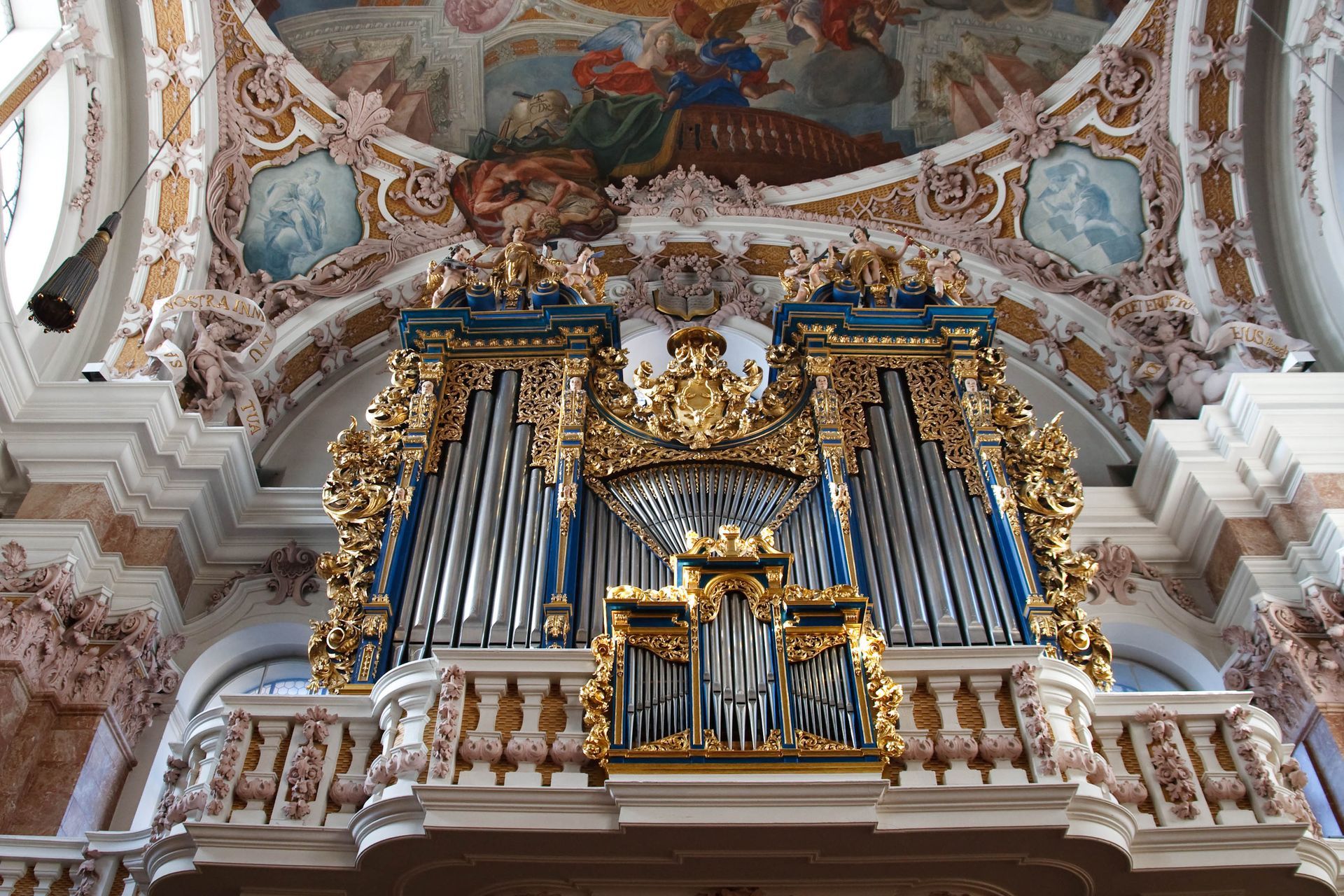
The presence of sacred objects within a house of worship serves as a bridge between the temporal and the divine, providing a visual anchor for the faithful as they gather in communal prayer. Over many decades, however, the vibrant colors of frescos may dim under layers of incense smoke, and the intricate carvings of wooden altars may suffer from the slow decay of time. When a community decides to embark on the journey of reviving these treasures, they are doing more than simply cleaning a surface; they are engaging in a profound act of spiritual renewal. This process of returning a sacred space to its former glory acts as a catalyst for collective action, drawing individuals out of their private lives and into a shared mission of preservation. The physical beauty of a sanctuary is a silent preacher, and when that beauty is restored, it reaffirms the commitment of a congregation to its heritage and its future. By focusing on the tangible elements of their faith, members find a renewed sense of purpose that strengthens the invisible bonds of their fellowship.
Preserving A Shared Cultural Heritage
The artifacts housed within a cathedral or chapel often represent the collective history of multiple generations. When a community invests in religious art restoration, they are essentially reclaiming the stories and sacrifices of those who came before them. These pieces are not merely museum exhibits; they are living testimonies of faith that have witnessed countless baptisms, weddings, and funerals. The effort required to research the original pigments used in a mural or the specific wood species of a tabernacle encourages parishioners to look back at their roots with fresh eyes. This historical deep dive fosters a sense of continuity, making the current congregation feel like part of a long and unbroken chain of devotion. As people learn about the craftsmen who originally built their sacred home, they develop a deeper respect for the space, which naturally leads to a stronger desire to gather within its walls to honor that legacy together.
Inspiring Physical Presence Through Beauty
The aesthetic quality of a sanctuary has a direct impact on the desire of the faithful to congregate in person. While digital resources have expanded the reach of many ministries, the sensory experience of standing before a masterfully restored altar cannot be replicated through a screen. According to ChurchTrac, 84% of U.S. adults who recently attended religious services did so in person, while 16% did so remotely. This high percentage of in-person attendance underscores the importance of maintaining an environment that feels both welcoming and awe-inspiring. A successful religious art restoration project enhances the atmosphere of the room, making it a place where people want to linger, meditate, and connect with their neighbors. When the architecture and art reflect the majesty of the divine, the physical space becomes a powerful magnet that draws the community together, proving that the beauty of a sanctuary is a vital component of the communal experience.
Fostering Collaborative Community Projects
The logistical and financial requirements of a large-scale renovation often necessitate a high degree of teamwork among the laity. Organizing fundraisers, educational seminars about the history of the art, and volunteer cleanup days provides numerous opportunities for members to interact in ways they might not during a standard service. This collaborative spirit is a hallmark of religious art restoration, as it requires a consensus on how to best honor the tradition of the building. Working side by side to choose fabrics for vestments or to oversee the cleaning of stained glass allows people from different backgrounds to find common ground. These shared tasks break down social barriers and create a "work-bench" atmosphere where friendships are forged through labor and shared goals. The resulting unity is a byproduct of the work itself, as the community realizes that they are the living stones responsible for maintaining the physical temple.
Stimulating Emotional Connection To Liturgy
The visual environment plays a crucial role in how a congregation experiences the rituals of their faith. When a crucifix is meticulously repaired or a statue of a saint is repainted with traditional accuracy, the emotional resonance of the liturgy is deepened. These objects serve as focal points that guide the mind toward the sacred, and their condition reflects the value the community places on its beliefs. Engaging in religious art restoration ensures that the visual cues of the faith remain vibrant and clear, preventing the distraction that can come from a neglected or crumbling interior. A well-maintained sanctuary signals to both regular members and newcomers that the faith is vibrant and active. This visual clarity helps the congregation to focus on the communal aspects of the service, as the shared beauty of the surroundings creates a unified emotional state that transcends individual concerns.
Cultivating Reverence For Sacred Spaces
The act of caring for a holy site inherently teaches a congregation the value of reverence and stewardship. When a local parish chooses to prioritize religious art restoration, they are making a public statement about the importance of their sacred space in a secular world. This commitment trickles down to every member of the community, encouraging a mindset of mindfulness and respect when they enter the building. Children, in particular, benefit from seeing their elders treat the art and architecture with such profound care, as it instills a sense of the "otherness" of the sanctuary. This shared attitude of reverence creates a distinct culture within the congregation, where the physical environment is seen as a gift to be protected for those who have yet to be born.
Strengthening Identity Through Visual Renewal
Every house of worship has a unique character that distinguishes it from others, and this identity is often tied to its specific artistic style. Whether it is the soaring lines of a Gothic revival structure or the humble simplicity of a rural mission, the art defines the "soul" of the place. Through religious art restoration, a community can lean into its specific identity, celebrating the unique cultural or ethnic influences that shaped its founding. This process helps members feel a sense of belonging to a specific place and a specific people. When the interior of a church is restored to its unique glory, it gives the congregation a point of pride that they can share with the wider world.
The restoration of sacred art is an investment that pays dividends far beyond the aesthetic improvement of a building. It is an exercise in community building that requires patience, sacrifice, and a shared vision of what a holy space should be. By looking after the physical manifestations of their faith, a congregation learns to look after one another, as the work of preservation requires a unified effort. The beauty that emerges from the removal of dust and the repair of cracks serves as a constant reminder of the possibility of renewal in each individual life.
At A.T. Merhaut, Inc Church Restoration & Supply, we believe that every sacred space has a voice that deserves to be heard with clarity and beauty. Our team is dedicated to the delicate task of preserving the artistic and spiritual integrity of your house of worship, ensuring that each piece of art continues to inspire and unite your congregation for generations to come. We approach every project with the reverence and technical expertise it demands, working as your partner to revitalize the sanctuary that stands at the heart of your community’s life and faith.