April 17, 2026
In the quiet sanctuary of a historic church or the hallowed halls of a museum, artworks do more than just decorate; they serve as vessels for spiritual and cultural narratives. Art restoration plays a foundational role in maintaining this profound significance, acting as a vital bridge between centuries past and the present day. By breathing new life into weathered canvases and crumbling statues, this specialized craft allows future generations to experience a masterpiece in the form its creator intended. This article explores the delicate balance required to restore an object of beauty without diminishing its underlying spiritual essence.
Understanding the Spiritual Significance of Art
Spiritual art has been a cornerstone of human expression since the dawn of civilization. From prehistoric cave paintings to the elaborate frescoes of the Renaissance, these creations have conveyed deep spiritual messages that define cultural and religious identities. Over many centuries, art has functioned as a primary medium to depict divine narratives and theological teachings. The preservation of these works is essential for understanding how human beliefs have evolved.
The intricacies found in spiritual art often reflect the specific practices and devotions of their era. Artists historically utilized symbolism and iconography to communicate complex concepts to a wide audience. This visual language allowed individuals to grasp spiritual truths regardless of their literacy levels. The historical weight of these pieces underscores a value that goes far beyond simple aesthetics, highlighting their role in cultural continuity. As our modern society continues to change, the drive to protect these spiritual legacies becomes increasingly vital.
Interpreting Symbolism and Iconography in Religious Art
Symbolism is a powerful tool in religious work, conveying meanings that transcend the barriers of language and time. Religious artworks are replete with metaphors that hold deep spiritual weight. For instance, the strategic use of light in classical Christian paintings often symbolizes the divine presence and inherent purity. Recognizing these symbols is a prerequisite for any meaningful art restoration effort, as it allows the restorer to appreciate the spiritual dimensions before any physical intervention begins.
Iconography helps convey specific narratives and doctrines. In traditions such as Eastern Orthodox Christianity, icons are not merely decorative objects; they are considered "windows to the divine," bridging the material and spiritual realms. Protecting these iconographic elements is necessary to maintain the spiritual integrity of the piece. A restorer must respect these metaphysical aspects to ensure the artwork retains its intended impact on the viewer.
Restorers frequently face hurdles when interpreting these elements. They must possess an extensive understanding of the cultural and religious context of the work. This specialized knowledge guides their hands, ensuring that a spiritual message remains clear. Inaccurate work could misinterpret or accidentally obscure the original symbolism. The process is as much about cultural sensitivity as it is about technical proficiency.
Supporting Art in Spiritual Practices
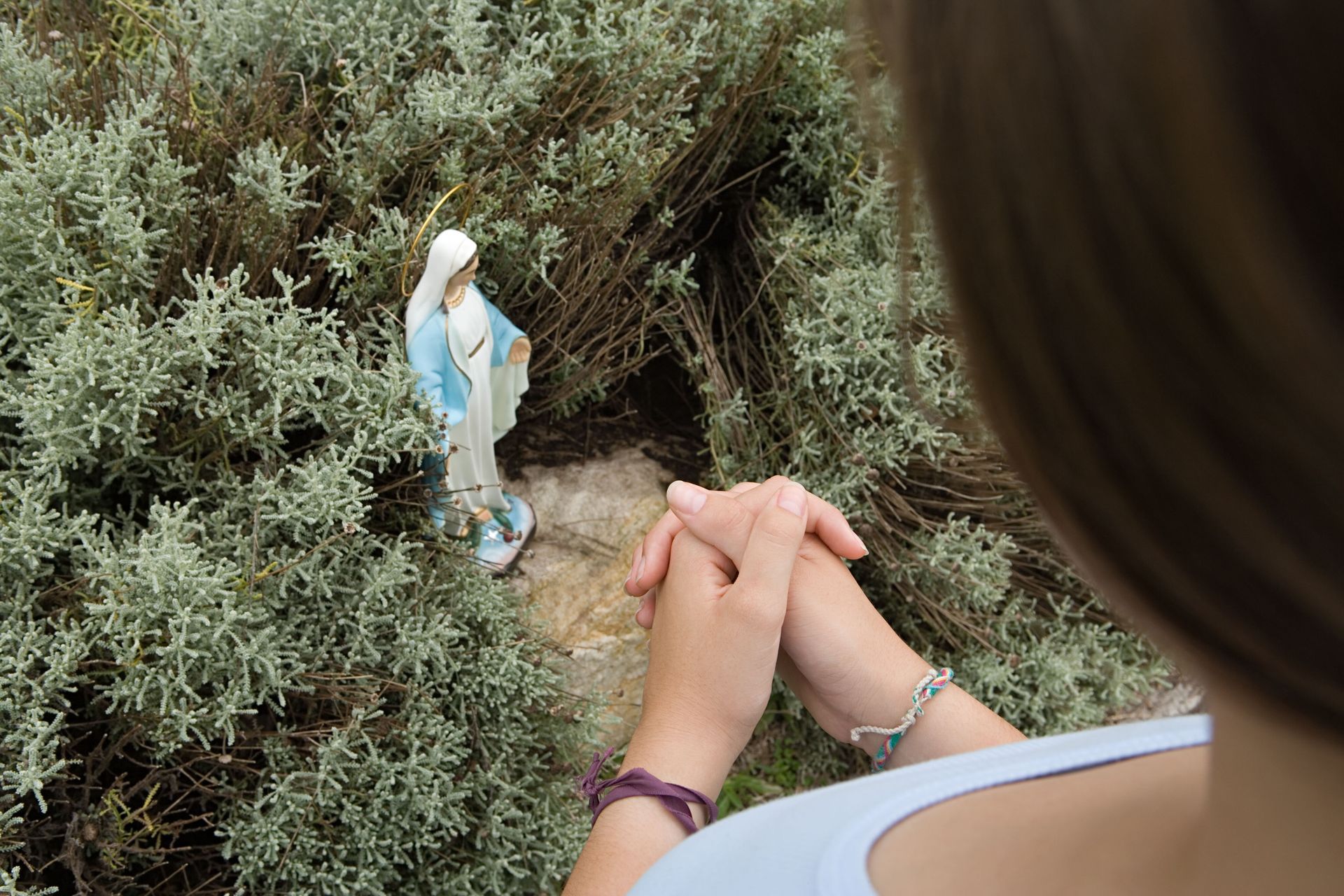
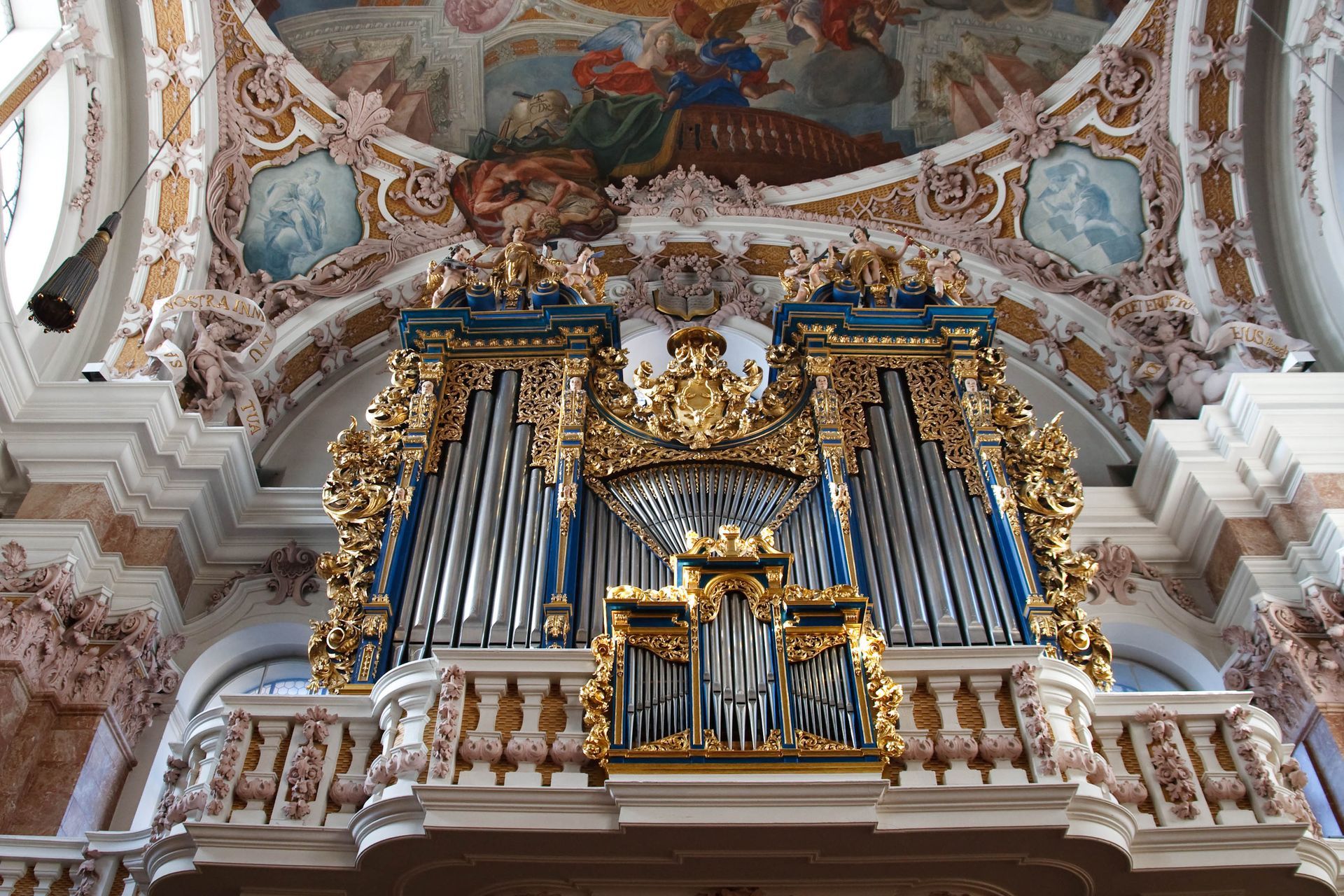
Art is an integral part of spiritual life, influencing how individuals engage with their faith. In many traditions, art enhances the sensory experience of worship, creating an atmosphere conducive to reflection and prayer. Religious spaces adorned with meticulously maintained art provide a profound setting for rituals. The visual beauty of the surroundings complements the spiritual ambiance, making communal experiences more moving.
The presence of such work also aids in community cohesion. Artworks within religious settings often reflect shared values and common history. These pieces become communal symbols that unite individuals on their collective journey. Through this medium, communities express their identity and aspirations. Protecting this art ensures that these communal bonds remain strong across generations.
Restoration efforts support these practices by maintaining the physical integrity of the objects. By preserving these pieces, experts ensure that future generations can continue to feel their spiritual weight. The longevity of these artworks is essential for the continuity of traditions. This underscores why art restoration is vital to maintaining the spiritual fabric of communities globally.
Navigating the Science and Techniques of Preservation
Modern preservation employs a diverse array of methods to stabilize and refresh artworks. These range from basic cleaning to complex procedures like consolidation and inpainting. Every method is selected based on the specific material needs of the piece. The objective is to protect the original substance while reviving the artwork's aesthetic and structural strength. This requires a profound understanding of the intersection between art history and chemistry.
Cleaning is often the initial phase, stripping away layers of dirt, smoke, and grime that have accumulated over decades. This must be executed with extreme care to avoid stripping away the original paint. Experts utilize various solvents and specialized tools, selecting the ones that suit the unique chemistry of the artwork. This process can reveal vibrant colors and hidden details, bringing the piece closer to its original state and preparing it for further stabilization.
Utilizing Technological Advances in Restoration
Technological breakthroughs have revolutionized the field, offering new ways to see beneath the surface. Innovations such as digital imaging and spectroscopy provide detailed insights into an artwork's condition without the need for invasive testing. These tools allow experts to analyze the internal structure and chemical makeup of a piece before they even touch it. Digital imaging can reveal underlying sketches or changes made by the artist, providing a roadmap for the restoration.
The growing professionalization and technical nature of this field is reflected in its economic scale. According to WiseGuy Reports, the art restoration service market reached a valuation of 5.46 billion USD in 2024. This statistic highlights the global recognition of the importance of this work. As this market expands, the demand for practitioners who can navigate the nuances of spiritual art continues to grow, emphasizing the need for specialized expertise in religious preservation.
Balancing Restoration With Ethical Preservation
A fundamental ethical pillar of art restoration is the commitment to respecting the creator's original vision. Restorers must strive to protect the artist's creative expression and intended message. This involves a deep dive into the historical period and cultural context of the piece. The artist's intent acts as a North Star for every decision, ensuring the work retains its soul. Failing to respect this intent can result in alterations that diminish the spiritual and historical value of the piece.
Restorers face significant challenges when interpreting intent for works that are centuries old. This often requires close collaboration with theologians and historians who can offer context on the period's religious climate. The process must be guided by a devotion to authenticity. This involves making difficult choices about which areas require intervention and which are better left with their historical patina.
Determining the Right Amount of Intervention
Deciding how much to intervene is a critical ethical hurdle. Experts must evaluate the condition of the artwork to determine the appropriate level of work. Excessive intervention can scrub away the history of the piece, while insufficient work might leave it vulnerable to further collapse. Achieving a harmonious balance requires strategic decision-making and a "less is more" philosophy.
The goal is always to stabilize the work while respecting its age. Restorers must weigh the artwork's historical context against its current physical needs. This balance ensures that the piece remains both beautiful to look at and historically accurate to its origins. The entire process is dictated by strict conservation ethics and a reverence for the past.
Preserving sacred art is a task that requires equal parts technical skill, scientific knowledge, and spiritual sensitivity. Through careful art restoration, we ensure that the visual representations of faith and history do not fade into obscurity. These efforts protect the symbols and narratives that have guided human spirituality for generations, allowing them to continue inspiring awe and contemplation in the modern world.
When dealing with the sensitive needs of religious and historic artifacts, specialized expertise is required to handle every detail with the appropriate reverence. Whether it is a weathered statue, a fading mural, or a historic altar, the goal remains the same: to honor the past while preparing for the future. For those seeking professional assistance in revitalizing their sacred spaces and cherished artifacts, the team at A.T. Merhaut, Inc Church Restoration & Supply provides comprehensive services in art restoration and ecclesiastical supply. By focusing on quality and historical accuracy, we help your community maintain its spiritual legacy for years to come.