March 30, 2026
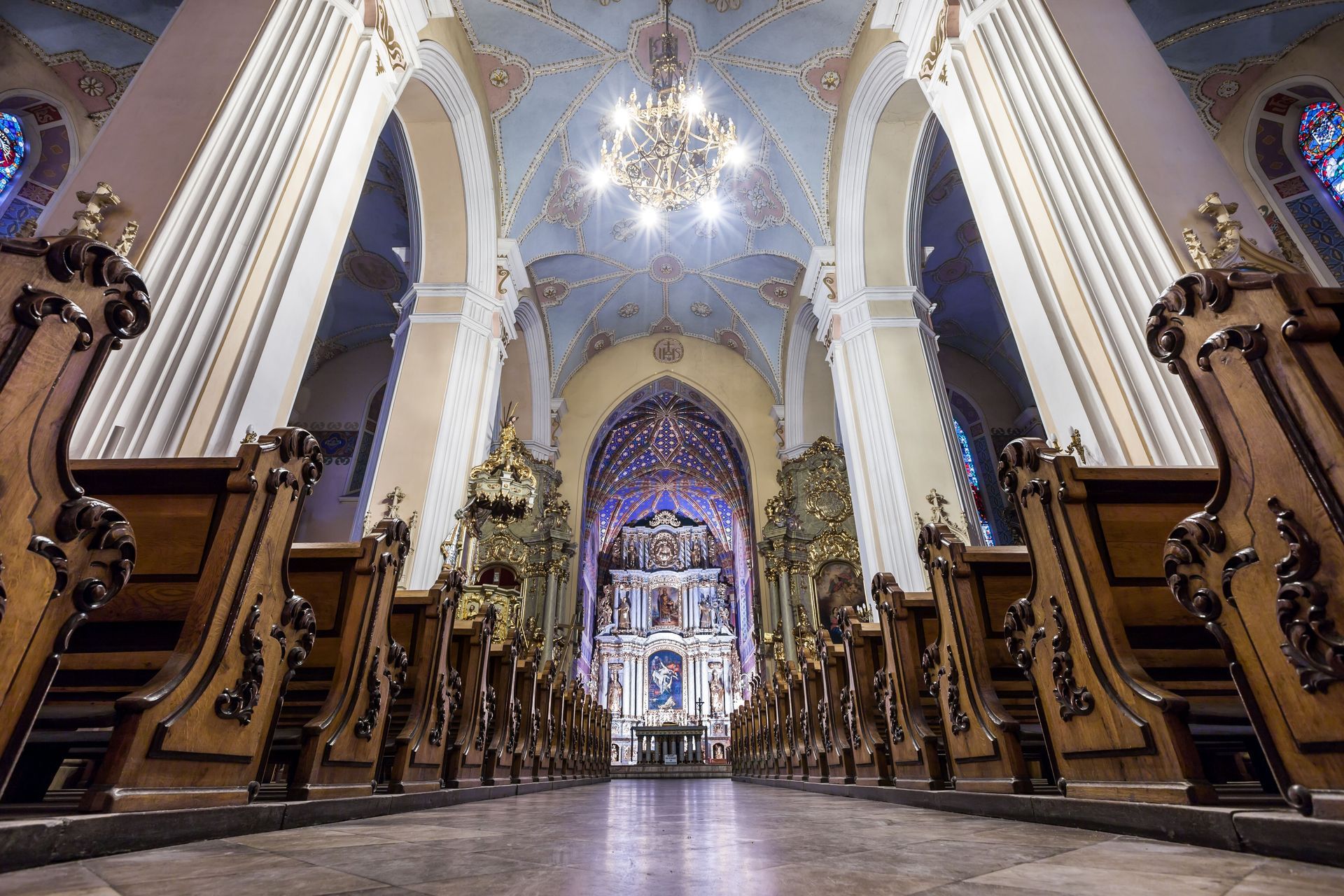
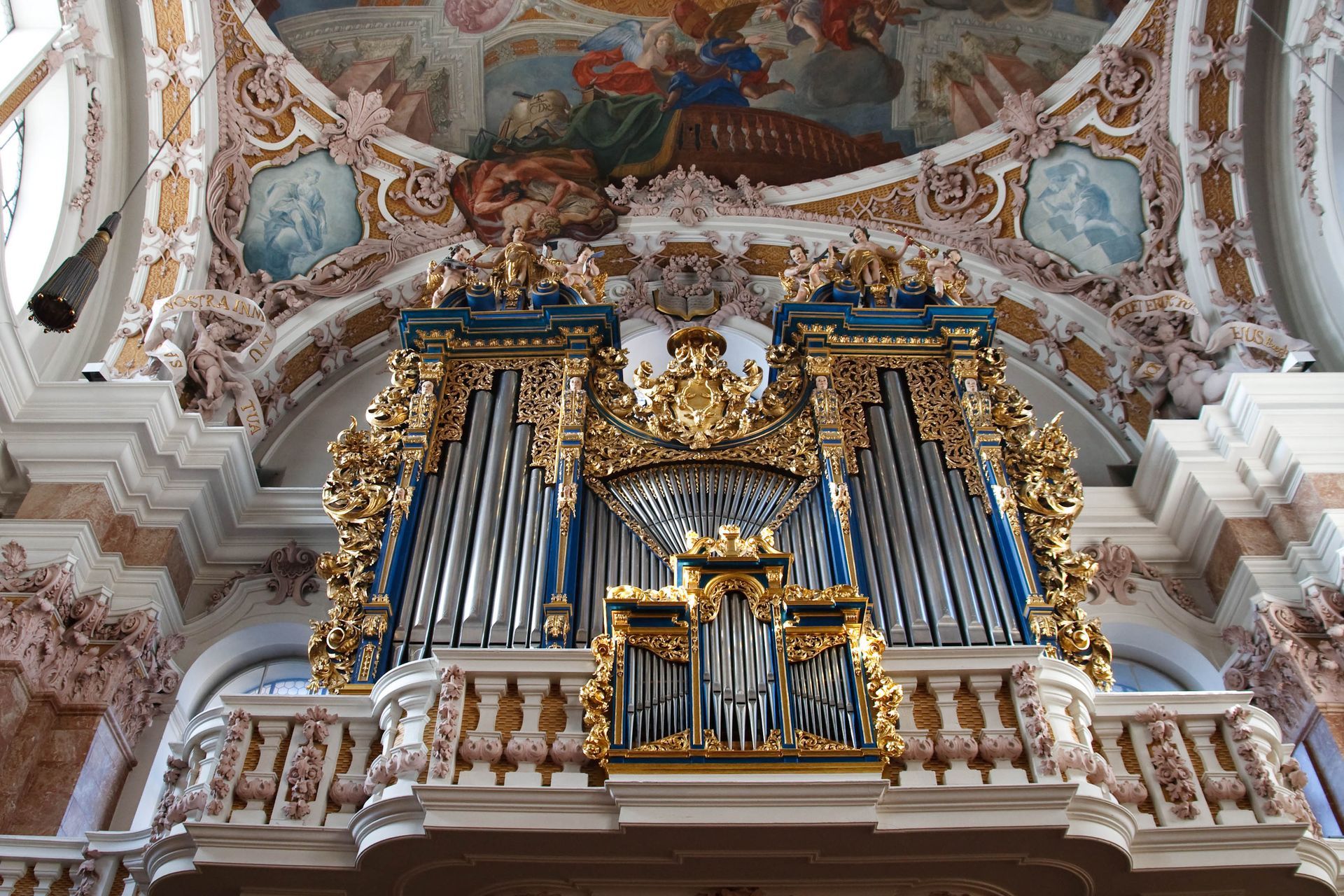
Church art carries meaning that goes far beyond decoration. Murals, painted ceilings, carved details, stained-glass, statues, and ornamental finishes all help shape the atmosphere of a sacred space. These elements often reflect the history of a congregation, the craftsmanship of an earlier era, and the spiritual identity of the people who gather there. Over time, however, even well-cared-for church interiors can begin to show signs of age. Dust, moisture, smoke residue, cracks, fading, and previous repairs can gradually affect the beauty and integrity of these treasured features. That is why art restoration plays such an important role in protecting the visual and historical character of a church.
When church art begins to deteriorate, the loss is not only aesthetic. Damage can affect how the space feels, how its story is understood, and how future generations connect with it. According to ArtNewsnViews.com, smaller restoration projects can often be completed in just a few weeks, while larger or more heavily damaged pieces may require several months. That range shows just how detailed and important this work can be. Thoughtful restoration helps preserve craftsmanship, honor the original intent of the artwork, and support the long-term care of the building itself. For churches that want to protect their sacred spaces, investing in art restoration is often one of the most meaningful steps they can take.
Preserving Historical Character
Many churches were built with artistic elements that reflect the time, culture, and architectural vision of their original construction. Decorative painting, gold leaf accents, hand-carved woodwork, plaster ornamentation, and religious imagery often carry both artistic and historical significance. These details help tell the story of the congregation and the surrounding community. When they become worn, stained, chipped, or faded, the space can begin to lose some of the character that made it distinct in the first place. Restoration helps protect these details so the building continues to reflect its original identity rather than slowly drifting away from it.
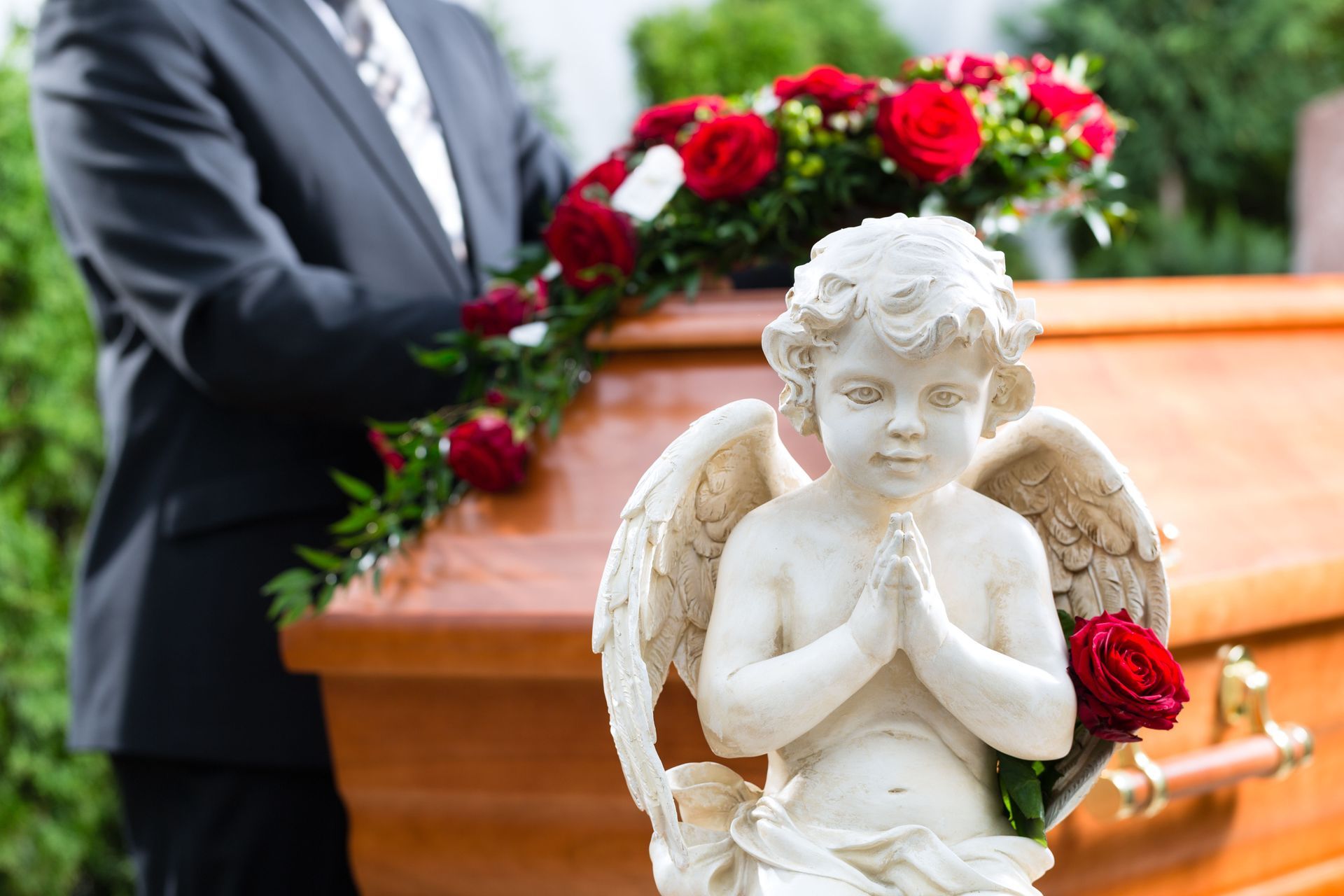
Preserving historical character is especially important in churches that have served generations of worshippers. The artwork and decorative finishes inside the sanctuary may have witnessed baptisms, weddings, funerals, feast days, and countless weekly services. In that sense, the art is tied not only to the building’s design but also to the memories held within it. A careful restoration approach respects those connections by focusing on conservation rather than unnecessary replacement. Through art restoration, churches can keep important features in place while addressing the wear that naturally comes with age and regular use.
Protecting Structural Integrity
Church art and decorative finishes are often connected to the physical structure of the building in ways that are easy to overlook. Cracked plaster, peeling paint, moisture stains, and damaged wall surfaces may seem like surface-level concerns at first, but they can sometimes point to larger issues developing beneath the artwork. If water intrusion, shifting materials, or long-term environmental stress is affecting decorative surfaces, waiting too long to respond can lead to more extensive damage. Restoration work can help identify where cosmetic deterioration overlaps with structural concerns, allowing churches to address both appearance and stability more effectively.
This is one reason church restoration work often requires skilled evaluation rather than quick cosmetic fixes. Painting over water stains or patching visible cracks without understanding the cause may hide the problem temporarily, but it does not protect the art or the structure in the long run. A thoughtful restoration process helps reveal what the materials are experiencing and what the building may need moving forward. In many cases, art restoration becomes part of a larger effort to preserve not only visual beauty but also the underlying surfaces that support it.
Honoring Sacred Meaning
Church artwork often holds deep spiritual meaning for the people who worship within the space. A mural behind the altar, a painted saint, a sculpted figure, or a decorative motif may serve as more than a design feature. It may help guide reflection, reinforce teachings, and shape the emotional and spiritual tone of the sanctuary. When these elements become difficult to see or begin to deteriorate, part of that experience can be diminished. Restoring sacred art helps maintain the clarity, dignity, and reverence of the worship environment in a way that supports the church’s mission.
For many congregations, this work is about stewardship as much as appearance. Sacred spaces are often cared for with the belief that beauty can elevate worship and create a stronger sense of connection. When a church invests in restoring artwork, it is deciding to treat that space with care and respect. This does not mean making old art look brand-new in a way that erases its age or history. Instead, it means approaching the work with sensitivity so the original message, craftsmanship, and sacred meaning remain visible. In that way, art restoration supports both faith and heritage at the same time.
Strengthening Congregational Connection
The visual environment of a church affects how people experience the space from the moment they walk through the doors. Well-preserved artwork can create a sense of welcome, reverence, and continuity that helps people feel connected to something larger than themselves. It reminds long-time members of the church’s history and introduces newer generations to the beauty and meaning carried within the building. When art is neglected, faded, or visibly damaged, the emotional impact of the space can change. Restoration helps maintain the atmosphere that many congregations value deeply.
There is also something powerful about a congregation seeing its sacred space cared for with intention. Restoration projects often remind people that the church is not only a place for present-day worship but also a legacy to be handed forward. The work can renew appreciation for the building, inspire generosity, and bring attention to details that people may have stopped noticing over time. In that way, art restoration can strengthen the relationship between a congregation and its physical space, reinforcing pride, memory, and a shared sense of responsibility for preserving sacred beauty.
Planning Restoration Thoughtfully
Because church art can be delicate, historically significant, and spiritually important, restoration should be approached with careful planning. Every church has different materials, different types of damage, and different goals for what the finished work should accomplish. Some projects may involve painted surfaces, while others focus on statues, plaster details, decorative finishes, or architectural ornamentation. A thoughtful plan begins with evaluating the condition of the artwork, understanding what caused the damage, and deciding how to protect the original character as much as possible. This kind of preparation helps the work move forward with greater clarity and purpose.
Thoughtful planning also helps churches set realistic expectations about timing, budget, and scope. Some areas may need full restoration, while others may benefit from cleaning, stabilization, or targeted repair. The right approach depends on the state of the art and the goals of the church. With experienced guidance, congregations can make informed decisions that respect both the building and its budget. When done well, art restoration is not simply a repair project. It is a careful investment in preserving meaning, craftsmanship, and the sacred atmosphere that makes a church unique.
Church art restoration matters because it protects more than painted surfaces and decorative features. It preserves history, supports structural care, honors sacred meaning, strengthens congregational connection, and helps churches plan wisely for the future. In spaces where beauty and devotion are closely connected, this work helps keep that relationship visible and lasting. Whether a church is addressing fading artwork, damaged finishes, or age-related deterioration, the right restoration approach can make a lasting difference. To protect the beauty and heritage of your sacred space, contact A.T. Merhaut, Inc Church Restoration & Supply today.