December 3, 2025
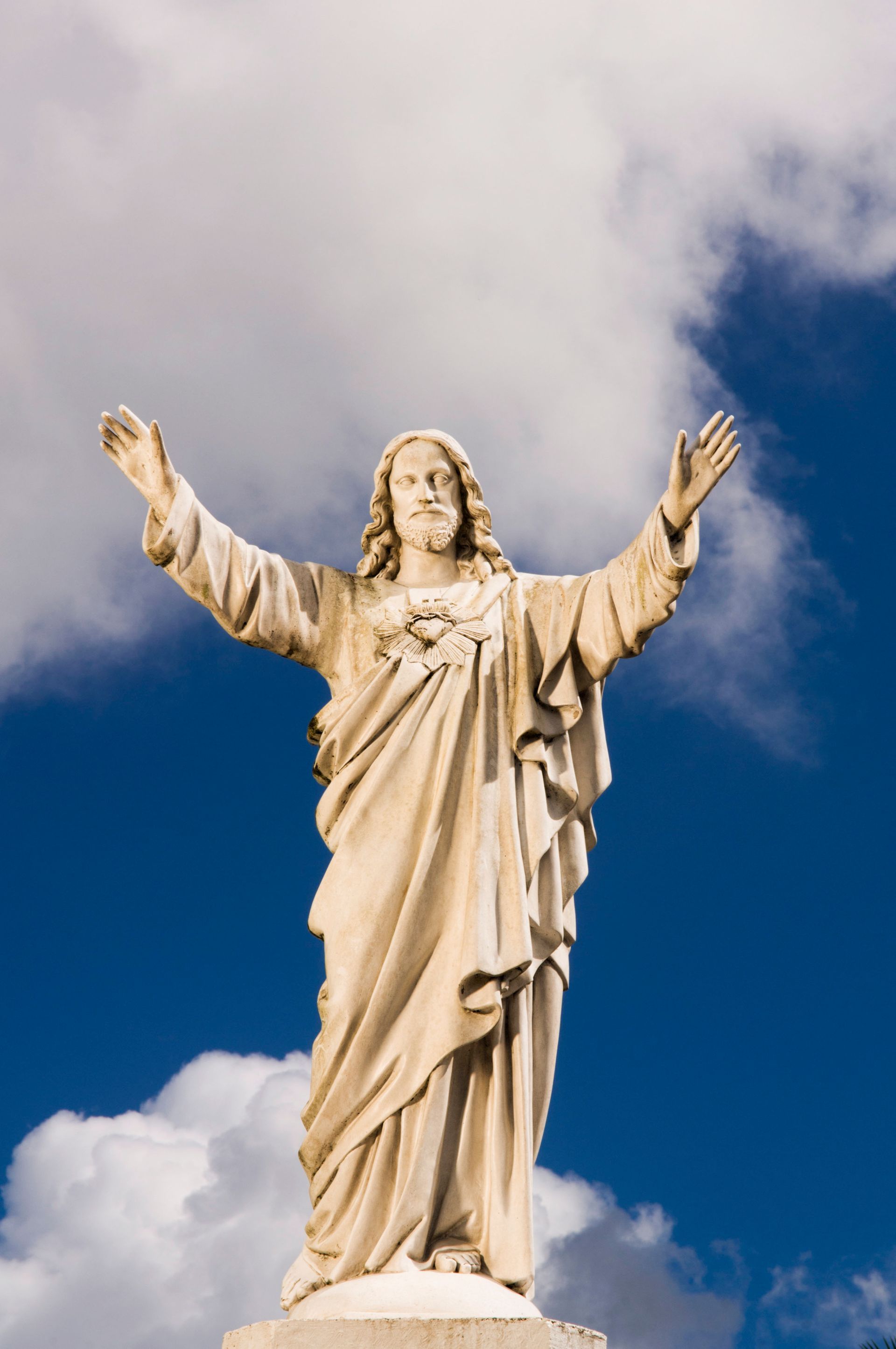
Religious art has long served as a visual expression of faith, devotion, and community identity. Statues of saints, biblical figures, and sacred symbols are more than decorative features — they play an active role in worship, storytelling, and cultural continuity. Over time, however, these treasured pieces can deteriorate due to age, environmental exposure, handling, and previous repair attempts. When this happens, local statue restorations become essential. By restoring sacred artwork within the community where it holds meaning, congregations help preserve history, strengthen tradition, and maintain spaces that inspire reverence.
Local statue restorations are often approached with deep care, combining artistic skill with respect for religious significance. Whether the statue stands in a church, chapel, shrine, school, or outdoor space, restoration allows these pieces to continue serving their intended purpose. Faith communities recognize that when sacred art fades, the emotional and spiritual connection can fade with it. Restoration ensures these symbols remain vivid representations of shared beliefs for current and future generations.
Understanding the Importance of Preservation
Faith communities often rely on religious art to convey stories, values, and teachings. Sacred statues offer a tangible connection to spiritual figures and traditions, making them powerful visual reminders of devotion. When a statue deteriorates, it can diminish the atmosphere of worship and spiritual reflection. Local statue restorations help maintain the integrity of sacred spaces by ensuring that artwork remains meaningful and visually compelling.
Restoring statues locally allows communities to stay involved in the preservation process. Congregations frequently view restoration as a shared responsibility, and seeing progress firsthand strengthens appreciation for the artwork. These efforts also show respect for the generations who commissioned or donated the statues in the first place, honoring the legacy they intended to leave behind.
According to ChurchTrac, 84% of U.S. adults who recently attended religious services did so in person, while 16% did so remotely. Maintaining visually inspiring worship environments supports continued in-person participation, reinforcing the value of sacred art. This underscores how important it is for communities to preserve the beauty and integrity of their worship spaces through thoughtful restoration efforts.
Another important aspect of preservation is emotional continuity. Many parishioners grow up seeing the same statues during worship, ceremonies, or celebrations. When these pieces remain well cared for, they help provide a sense of stability and tradition within a changing world. Restoration protects not just physical artwork but also the memories and experiences tied to it.
Recognizing Common Causes of Damage
Understanding why statues require restoration helps communities plan proper care moving forward. Many sacred statues were created decades — or even centuries — ago using materials that naturally degrade over time. Paint layers can crack or peel, wood can warp, and plaster can become brittle. Exposure to moisture, sunlight, fluctuating temperatures, and pollutants can accelerate deterioration, especially for statues displayed outdoors.
Handling and movement can also cause damage. During renovations, seasonal events, or liturgical celebrations, statues may be relocated or decorated, increasing the risk of chips, scratches, or breaks. In some cases, well-intentioned past repairs used materials that were incompatible with the original construction, leading to discoloration or structural issues.
Professional restorers often encounter hidden damage that congregations are unaware of. Internal supports may weaken, insect activity may affect wooden pieces, or corrosion may develop within metal structures. Identifying these issues early allows for proper intervention and prevents more significant problems in the future. Professional restoration teams can also document these hidden issues, giving congregations a clearer understanding of their statue’s condition and the steps needed to preserve it long-term.
Restoring Artistic and Spiritual Integrity
One of the most meaningful aspects of local statue restorations is the restoration of emotional and spiritual resonance. When colors fade or details erode, expressions of compassion, strength, or serenity may become harder to recognize. Restorers aim to renew the original appearance so the artwork once again communicates the artist’s intended message.
Restoration professionals often use reversible or conservation-grade materials, ensuring that future preservation efforts remain possible. They may clean surfaces, repair fractures, rebuild missing elements, and repaint areas with sensitivity to original designs. The goal is not to create a modern interpretation but to honor the artwork’s history while making it visually strong and spiritually impactful.
Many restoration projects include research into the statue’s origins, artistic style, and cultural background. Understanding how the statue was originally created helps restorers make informed decisions about techniques and materials. This attention to authenticity enhances both artistic quality and spiritual meaning.
Communities frequently experience renewed appreciation after a restoration project. When a restored statue returns to its place of honor, the transformation can feel like a revival of tradition. Parishioners may reconnect with memories and stories associated with the piece, strengthening both personal faith and community identity.
Supporting Community Identity and Heritage
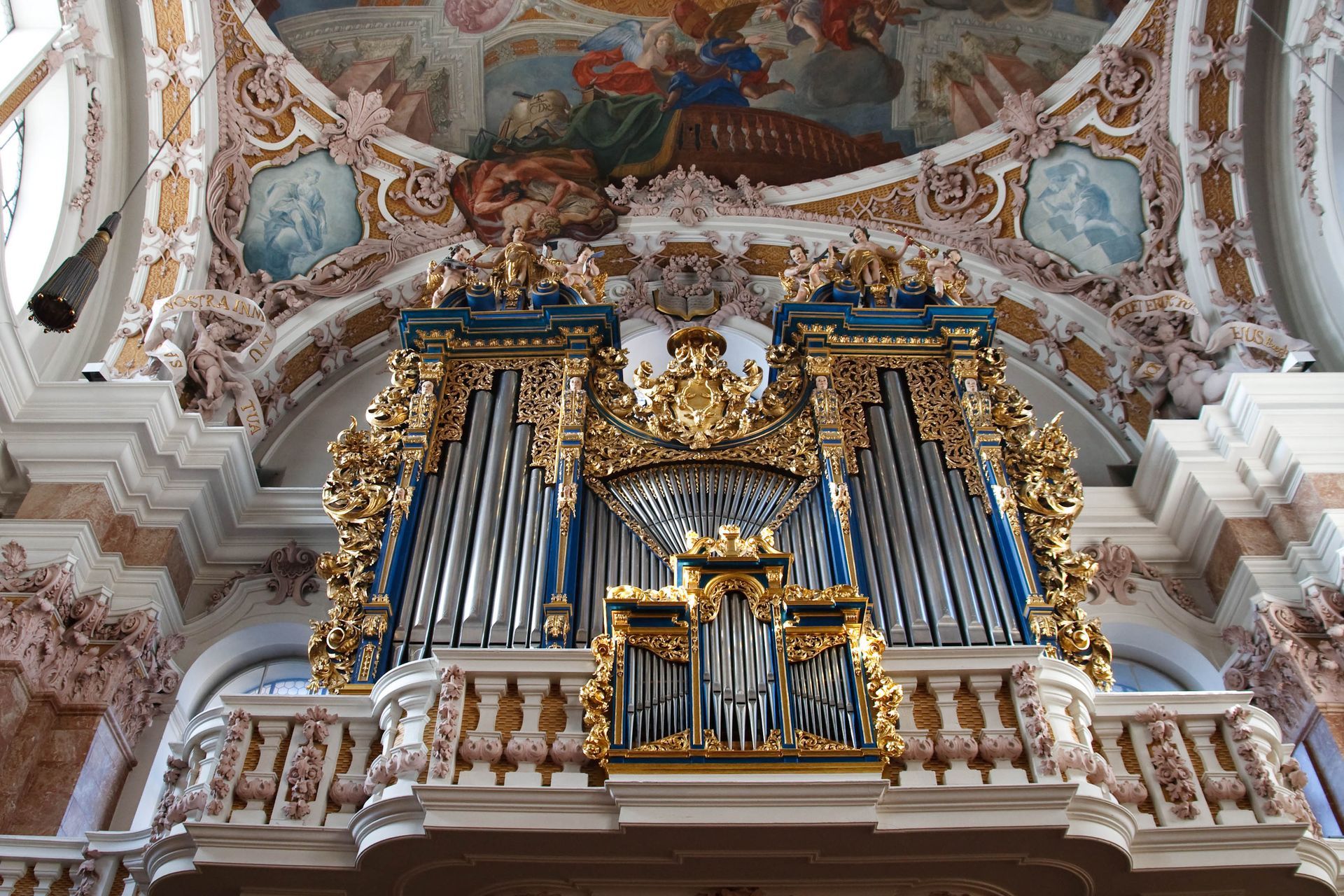
Sacred statues often represent cultural heritage as much as religious belief. Many congregations trace their history through the artwork displayed in their worship spaces, viewing statues as symbols of their founders, patrons, and cultural roots. Local statue restorations help ensure these connections remain intact. By preserving these meaningful pieces, communities can continue passing their heritage, stories, and traditions to future generations who will worship in the same sacred spaces.
Keeping restoration projects local reinforces community pride. Rather than sending statues away for extended periods, local work allows congregations to remain part of the process. Members may visit the restoration site, learn about preservation techniques, or participate in fundraising efforts. These interactions deepen the sense of ownership and stewardship over sacred art.
Local restoration work can also strengthen relationships within the community. Volunteers may help prepare display areas, organize events, or support funding efforts. The shared goal of preserving sacred art brings people together, fostering unity and collaboration.
Planning for Long-Term Care
Once a restoration project is complete, proper maintenance becomes critical. Local statue restorations provide an opportunity to assess long-term preservation needs and implement protective measures. This may include improved storage, display positioning, environmental controls, or handling procedures.
Many communities establish care guidelines after restoration to prevent future damage. Regular cleaning with appropriate materials, controlled lighting, and protective enclosures can help maintain the statue’s condition. When outdoor statues are involved, protective coatings or structural reinforcements may be recommended.
Planning for ongoing care demonstrates a commitment to preserving both the spiritual and artistic value of the statue. It also ensures that future generations will continue to benefit from the restoration work completed today.
Several congregations also choose to schedule periodic assessments with restoration professionals. Routine evaluations help identify early signs of deterioration, allowing for timely intervention. This proactive approach supports long-term preservation and reduces the need for major restoration efforts later.
In addition to professional oversight, some communities invest in training volunteers or staff members to handle routine care tasks properly. Learning the correct methods for dusting, moving, or displaying statues minimizes accidental damage and helps maintain restoration quality.
Local statue restorations play a vital role in maintaining religious heritage, cultural identity, and spiritual meaning within faith communities. By restoring sacred statues where they hold the most significance, congregations preserve more than artwork — they preserve stories, memories, and traditions. These projects reconnect communities with their past, enhance worship spaces, and support ongoing engagement with religious practices. With thoughtful restoration and continued care, sacred statues will remain powerful symbols of faith and devotion for years to come. To learn more or begin restoring sacred artwork in your community, contact A.T. Merhaut, Inc Church Restoration & Supply today.