January 27, 2026
Across towns and cities throughout the United States, sacred statues and religious icons stand as powerful symbols of faith, history, and shared identity. These works of art are more than decorative elements inside churches, chapels, and shrines. They serve as visual expressions of belief, cultural continuity, and community memory, often passed down through generations. Over time, however, exposure to environmental conditions, handling, and natural aging can leave these treasured pieces damaged or faded.
This is where religious art restoration plays a vital role. Through careful assessment, skilled craftsmanship, and respect for spiritual meaning, restoration professionals help revive sacred artworks while honoring their original intent. Their work supports not only preservation but also the ongoing spiritual life of local congregations. According to ChurchTrac, 20% of Americans attend church every week, highlighting how many people continue to gather around these sacred spaces and the art within them. In this article, we explore how religious art restoration brings new life to local sacred statues and icons while strengthening community connections.
Preserving Sacred History Within Local Communities
Religious statues and icons often carry deep historical significance. Many were handcrafted decades or even centuries ago, reflecting the artistic styles, materials, and devotional practices of their time. When these works begin to deteriorate, the loss is not merely visual. It can feel like a break in the chain linking past worshippers to present-day congregations.
Restoration helps preserve this sacred history. Specialists document the artwork's condition, research its origins, and study traditional methods used in its creation. This historical approach allows restorers to respect original materials and techniques whenever possible. By stabilizing fragile surfaces and repairing structural damage, they help protect artifacts that might otherwise be lost.
For local communities, this preservation reinforces a sense of continuity. Parishioners often recognize restored statues and icons as familiar companions in worship, reinforcing shared memories tied to baptisms, weddings, funerals, and seasonal observances. Restoring these works keeps local heritage alive and visible.
Addressing Common Forms of Damage in Sacred Art
Sacred statues and icons face many challenges over time. Environmental factors such as humidity, temperature fluctuations, and light exposure can cause paint to crack, wood to warp, or stone to erode. Candles, incense, and air pollutants may leave soot or residue that darkens surfaces and obscures details.
Handling also contributes to wear. Devotional practices, including touching or kissing statues, can slowly wear away finishes and pigments. In some cases, previous repair attempts using unsuitable materials may cause additional harm.
Religious art restoration addresses these issues through careful cleaning, stabilization, and repair. Restorers remove surface grime without harming underlying layers, consolidate weakened materials, and correct past interventions when needed. Each step is guided by conservation ethics that prioritize long-term stability and reversibility.
Reviving Artistic Detail and Spiritual Expression
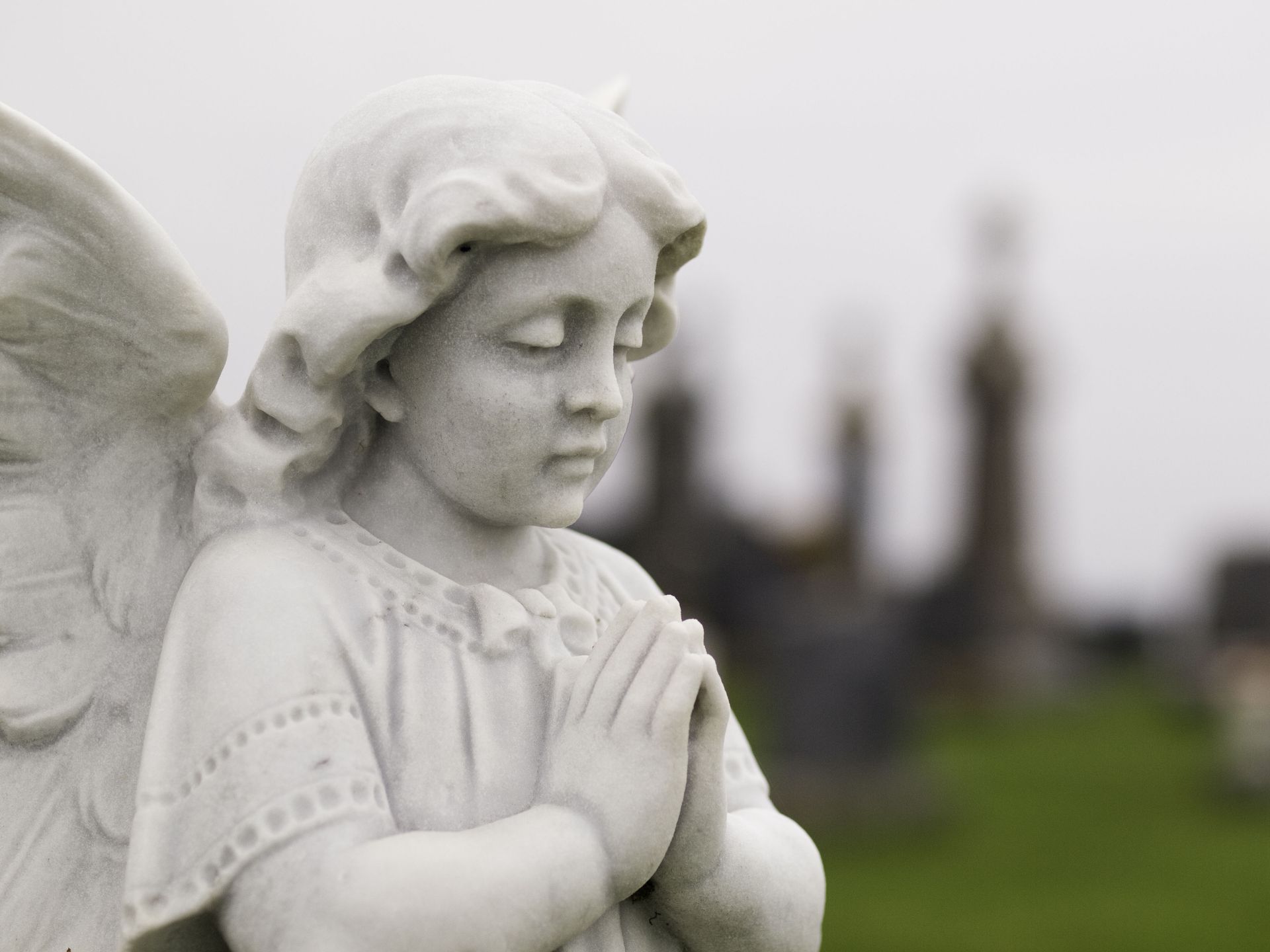
One of the most visible outcomes of restoration is the revival of artistic detail. Over time, intricate facial expressions, hand gestures, and symbolic elements can fade or disappear beneath dirt and damage. Restoration brings these details back into focus, allowing viewers to fully appreciate the craftsmanship and meaning embedded in the work.
This visual renewal also enhances spiritual engagement. Religious icons and statues are often designed to inspire contemplation and devotion. When colors regain depth and forms regain clarity, the artwork's ability to communicate emotion and symbolism becomes stronger. Congregants may find that restored pieces feel more present and expressive, deepening their connection during worship.
Religious art restoration balances visual improvement with restraint. The goal is not to make the artwork look new, but to reveal its authentic character while respecting signs of age that reflect its journey through time.
Supporting Active Worship and Parish Life
Sacred art plays an active role in religious practice. Statues and icons often serve as focal points during prayer, processions, and liturgical celebrations. When these works fall into disrepair, their role within worship may diminish or become limited.
Restoration allows these pieces to return to active use. Once stabilized and cleaned, statues can safely remain on display, and icons can continue to anchor devotional spaces. This renewed presence supports the rhythm of parish life and reinforces the visual language of faith.
Given that millions of Americans participate in weekly religious services, maintaining meaningful worship environments remains important. Restored sacred art helps create spaces that feel cared for and spiritually inviting, reflecting the values of the communities they serve.
Respecting Faith, Symbolism, and Cultural Sensitivity
Working on sacred art requires more than technical skill. Restorers must approach each project with cultural and religious sensitivity. Statues and icons are not simply artworks; they hold devotional significance and symbolic meaning that vary across traditions.
Professionals often collaborate with clergy, historians, and community representatives to understand the spiritual importance of each piece. This dialogue helps guide decisions about materials, finishes, and the extent of intervention. In some cases, certain marks of age or use are intentionally preserved because they reflect long-standing devotional practices.
Religious art restoration thrives on this balance between conservation standards and faith-based respect. By honoring both artistic integrity and spiritual meaning, restorers help communities feel confident that their sacred objects are treated with care and reverence.
Strengthening Community Pride and Stewardship
When a restored statue or icon returns to its place, the impact often extends beyond aesthetics. Congregations frequently feel renewed pride in their sacred spaces, viewing restoration as an act of stewardship rather than mere repair.
Restoration projects can also bring communities together. Fundraising efforts, volunteer support, and shared anticipation create opportunities for engagement and education. Parishioners may learn more about the history of their sacred art and the craftsmanship involved in its care.
This sense of collective responsibility encourages ongoing maintenance and appreciation. Communities that invest in religious art restoration often become more mindful of environmental conditions, display practices, and preventative care, helping preserve their heritage for future generations.
Integrating Traditional Craft With Modern Techniques
While rooted in historical practices, modern restoration also benefits from advances in technology and materials. Non-invasive imaging, scientific analysis, and improved conservation products allow restorers to work with greater precision and understanding.
For example, imaging techniques can reveal earlier paint layers or hidden structural issues without damaging the artwork. Modern conservation materials offer stability and compatibility with original components, supporting long-term preservation.
Religious art restoration blends this innovation with traditional craftsmanship. Skilled handwork remains central, especially when repairing carved details or retouching delicate surfaces. This combination of old and new helps safeguard sacred art while honoring its origins.
Sacred statues and icons serve as enduring witnesses to faith, artistry, and community life. As time takes its toll, religious art restoration provides a path for preserving these meaningful works without diminishing their spiritual presence. Through careful conservation, artistic sensitivity, and collaboration with local congregations, restoration revives visual beauty while reinforcing historical and devotional connections.
By restoring sacred art, communities protect more than physical objects. They sustain shared traditions, strengthen worship environments, and pass meaningful symbols to future generations. If your church or religious institution is considering restoring a cherished statue or icon, partnering with experienced restoration professionals can help protect its legacy while honoring its spiritual significance. Reach out to a trusted religious art restoration specialist at A.T. Merhaut, Inc Church Restoration & Supply today to discuss how your sacred artwork can be thoughtfully preserved and revitalized for years to come.