January 11, 2026
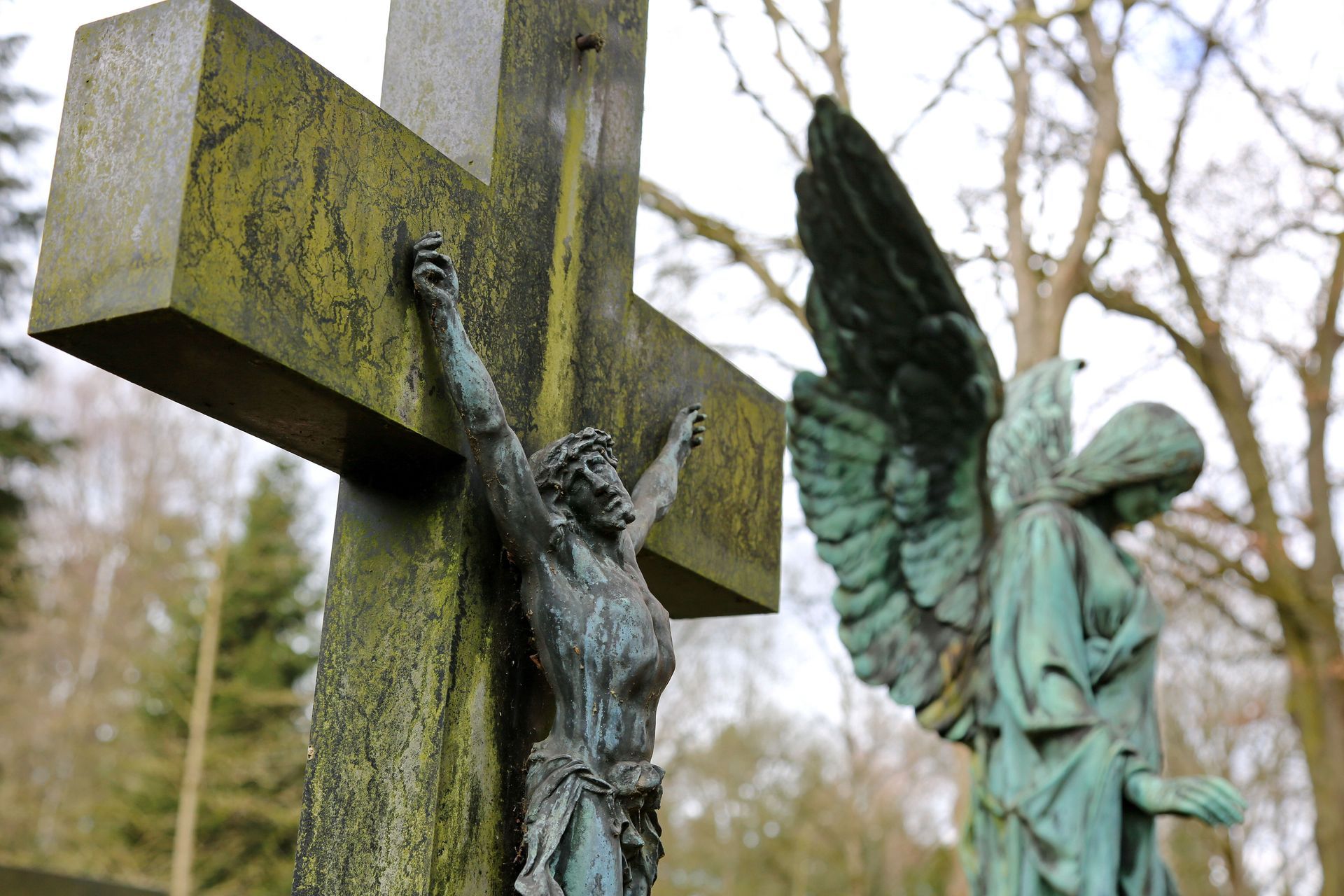
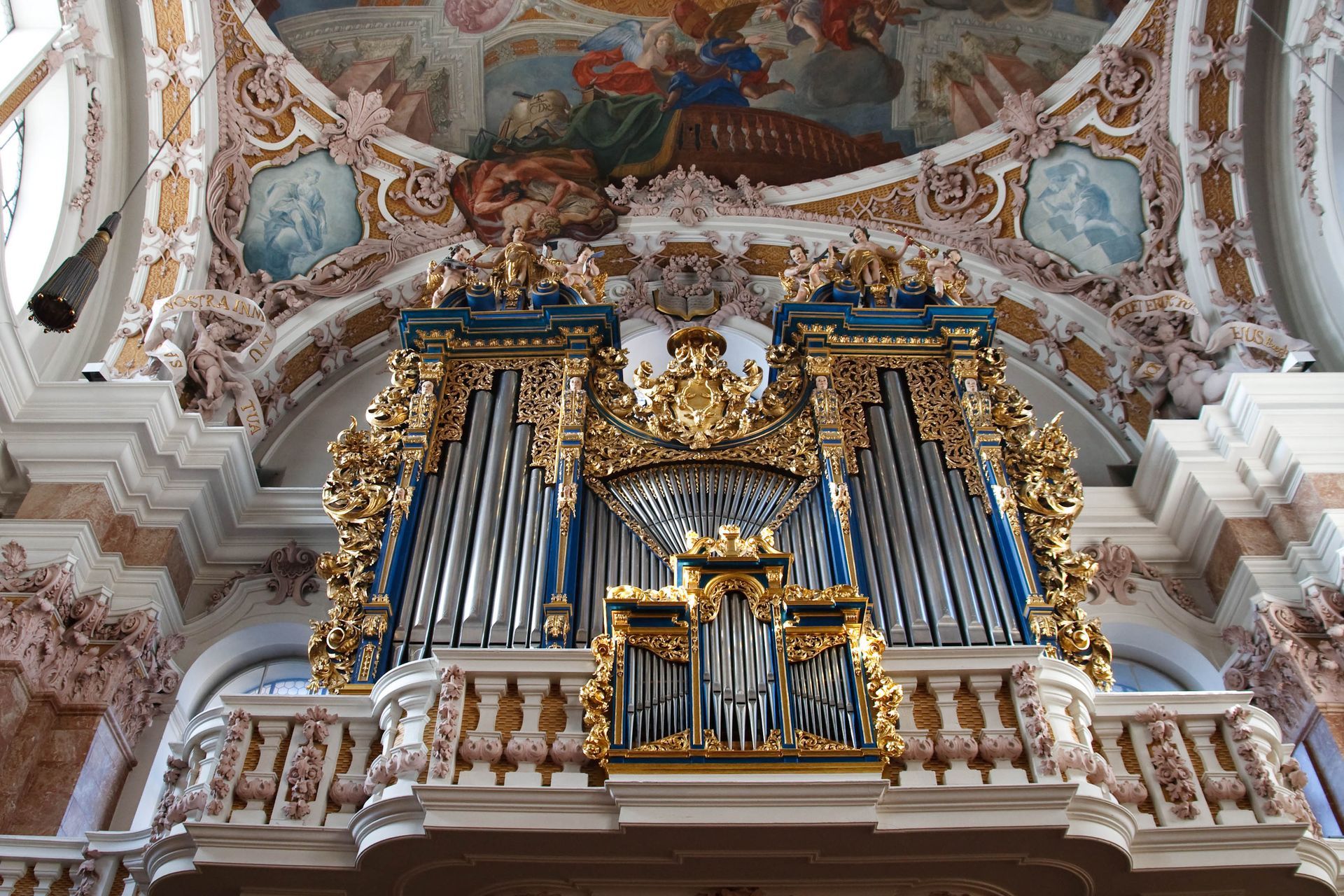
Religious art has long served as a bridge between the tangible and the divine, offering communities a way to visualize beliefs, convey sacred narratives, and express cultural identity. From intricately painted icons to monumental murals and sacred textiles, these works are more than artistic creations—they're vessels of history, spirituality, and communal memory. Preserving them ensures that future generations can continue to connect with the faith, values, and traditions that these artworks embody. Through this lens, the restoration of religious art emerges as a vital practice, one that not only protects fragile materials but also preserves the spiritual and cultural narratives that shape communities.
The Historical Significance of Religious Art
The Origins of Religious Symbolism
Religious symbolism began as an articulation of deeply held beliefs and values through visual forms. In the ancient world, artists used symbols to represent concepts of divinity, morality, and the universe. These early artworks were integral to worship practices and were often placed in sacred spaces. Such symbols provided a common ground for connecting diverse practitioners within a faith. Over time, these symbols evolved, each gaining richer meanings and wider recognition within religious narratives.
The Impact of Art on Religious Traditions
The vibrant interplay between art and religion has long shaped both domains. Artworks serve not just as objects of beauty but also as educational tools, illustrating sacred texts and doctrines. Engaging directly with art allows the faithful to experience a visceral connection to their beliefs. This interaction often leads to stronger adherence and revival of religious traditions. Consequently, maintaining these artworks through careful restoration becomes essential in keeping faith communities unified and inspired.
The Evolution of Religious Art Styles
Religious art has undergone numerous stylistic changes to reflect the evolving aesthetics and philosophies of different eras. Each shift brought about unique interpretations of familiar themes, adding dynamism to religious expression. The transition from Byzantine iconography to Renaissance realism marked a significant stylistic evolution, introducing new techniques and perspectives. Modern religious art continues to transform, incorporating contemporary styles and digital media. Preservation of these styles through restoration encompasses understanding both historical context and artistic intent.
Iconography Across Different Cultures
Iconography, the visual language of symbols and figures, varies widely across different cultures and religious traditions. Despite these variations, they often convey similar sacred narratives and values, highlighting universal aspects of human belief. This shared visual lexicon enables inter-religious dialogues and fosters mutual respect among different cultures. Iconographic analysis is crucial during restoration to ensure cultural authenticity and significance are upheld. Associations with iconography often inform how restoration professionals approach the physical conservation of these sacred artworks.
The Role of Art in Religious Ceremonies
Art plays a pivotal role in religious ceremonies, often serving as both backdrop and component of the ritual. The presence of sacred artifacts and decorated spaces heightens the spiritual ambiance, facilitating a deeper connection to the divine. Many religious practitioners believe that art imbues ceremonies with a transcendent quality, transformative for both individual and collective spirituality. Ritual artworks are meticulously crafted for ceremonial use, requiring specialized knowledge for their restoration. Ensuring their preservation safeguards the continuity and richness of religious rites.
The Role of Restoration in Preserving Culture
Understanding the Deterioration of Art
Deterioration of religious artworks occurs due to a range of factors, including environmental conditions, biological agents, and human interference. The gradual decay often begins with subtle changes in color, texture, and structural integrity. Identifying early warning signs is essential to prevent irreversible damage, making routine inspections critical. Preservation balances preventing further deterioration with maintaining the artwork's original integrity. Each religious art restoration project contributes to a broader understanding of preservation techniques, leading to continued advancements in the field.
The Science Behind Religious Art Restoration
The science of religious art restoration merges chemistry, art history, and meticulous craftsmanship. Conservationists employ scientific methods to analyze materials and identify appropriate restorative measures. Techniques such as radiography, spectrography, and microscopy reveal an artwork's composition and condition. These insights inform interventions that stabilize artworks while respecting their original construction. The Global Art Conservation Services Market report underscores this growing field, projecting it to expand as society increasingly values cultural preservation.
Balancing Authenticity and Restoration
Striking the right balance between maintaining authenticity and implementing restoration is central to art conservation. This balance involves meticulous documentation and adherence to international conservation standards. While some advocate for keeping restored sections visibly distinct, others prefer seamless integration to maintain visual harmony. Each approach has its merits, dependent on the artwork's context, condition, and intended function post-restoration. Ultimately, the goal is to honor the artist's original intent and preserve the work's historical and cultural significance.
Challenges in Restoring Ancient Pieces
Restoring ancient religious artworks presents unique challenges, from degraded materials to incomplete historical records. Often, conservators must reconstruct lost elements based on limited evidence, balancing conjecture with authenticity. Environmental factors specific to an artwork's region, such as humidity or temperature fluctuations, further complicate the process. The selection of restoration materials that match original compositions is critical to maintaining visual coherence and structural integrity. Continuous learning and adaptation are essential, ensuring these ancient treasures endure for future appreciation.
Future Challenges and Opportunities
The future of religious art restoration presents both challenges and opportunities, underscored by technological advancements and growing awareness. Challenges include navigating ethical considerations, maintaining authenticity, and addressing the impacts of climate change. Conversely, opportunities arise from innovative materials, expanded educational initiatives, and increased public engagement. According to the Global Art Conservation Services Market, the art conservation market is expected to hit $233 million by 2031, emphasizing the field's expanding relevance. As religious art restoration techniques and standards evolve, striking a balance between challenges and opportunities will determine the success of preservation efforts.
The Intersection of Faith and Art
Religious Narratives Illustrated Through Art
Religious narratives gain vivid expression through art, where timeless stories and moral teachings are visually manifested. Iconic depictions of sacred events, deities, and saints carry teachings that resonate across ages, grounding communities in their spiritual beliefs. Artwork's narrative power enhances scripture, creating a holistic sensory experience that enriches understanding and retention. Artists blend visionary creativity with doctrinal fidelity, cultivating a visual theology that transcends textual limitations. Restoring these illustrative artworks safeguards their educational and inspirational roles within faith traditions.
Impact of Restored Art on Worship Practices
Restored art revitalizes worship practices by renewing the aesthetic and symbolic presence of sacred spaces. The reintroduction of restored artworks often reinvigorates congregational devotion, offering fresh lenses through which believers engage with their faith. Ritual elements such as altarpieces or tapestries regain prominence, reaffirming their roles within the liturgical framework. Enhancing the worship environment, restored art also enhances collective spirituality and continuity of religious traditions. The careful restoration underscores the reverence and responsibility held by faith communities toward their sacred heritage.
Religious Communities and Restoration Projects
Religious communities play crucial roles in religious art restoration projects, driven by their commitment to preserving spiritual legacies. Collaborative initiatives actively involve community leaders, conservators, and scholars in restoration efforts, fostering a sense of shared stewardship. These projects often entail sourcing funding and raising awareness about the cultural importance of conservation within religious contexts. Community involvement ensures that restoration respects the faith's teachings and values, promoting cultural authenticity. Successful projects unite communities in the earnest pursuit of safeguarding their cherished religious artifacts.
Art's Role in Interfaith Dialogues
Art transcends religious boundaries, providing a fertile ground for interfaith dialogues and understanding. As visual expressions of shared values and human experiences, artworks facilitate communication and foster empathy across diverse faith groups. Collaborative restoration projects can enhance interfaith solidarity, underscoring common commitments to cultural preservation. This shared endeavor encourages mutual respect and highlights the unifying power of spirituality. Interfaith dialogues continue to serve as a catalyst for peace and bridge-building in a diverse and connected world.
Ultimately, the responsibility to care for religious art is a shared one. Current and future generations inherit not only the physical objects but the values, narratives, and spiritual insights they embody. By committing to careful religious art restoration and ongoing preservation, we honor the creators, the faith communities, and the cultural heritage that have made these works enduring symbols of human devotion and creativity. Protecting religious art ensures that its stories, teachings, and transcendent beauty continue to enrich lives, inspire reflection, and strengthen the bonds of community for generations to come. Contact A.T. Merhaut, Inc Church Restoration & Supply today to learn more.