December 3, 2025
Custom statuary plays an increasingly vital role in sacred spaces, offering a fresh perspective on religious expression. In blending tradition with modernity, custom sculptures breathe new life into worship environments. This article explores the rising significance of bespoke religious art and its transformative potential in contemporary religious practices.
Communities today seek ways to reflect their evolving spiritual identities, and custom statuary provides a unique medium to achieve this. By commissioning bespoke art, worship spaces can enhance their ambiance and offer believers new avenues for spiritual connection. As modern faith evolves, the integration of custom statuary has become an essential aspect of worship design and community identity.
This discussion explores how religious sculpture connects history, art, and spirituality. Each section highlights how contemporary sacred art draws from ancient inspiration while serving modern congregations seeking beauty, meaning, and inclusivity through custom statuary. Read on to learn more!
Honoring the Legacy of Religious Sculpture
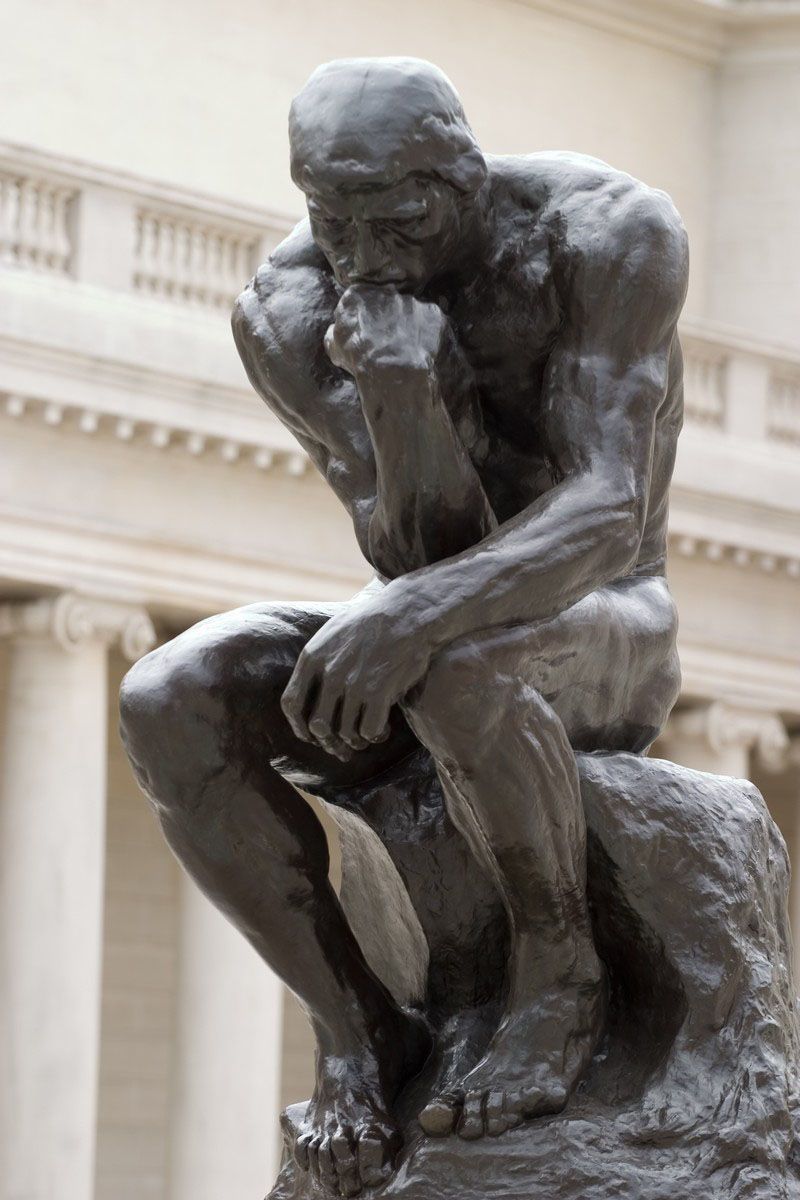
Religious sculptures have been central to worship since ancient times. From Hindu temples to Christian cathedrals, statues have long represented devotion and divine presence. In civilizations such as Egypt and Greece, sculpted deities provided tangible connections between worshippers and their faith. These early works were not simply decorative—they were teaching tools that embodied theology and culture.
Over centuries, the tradition of sacred statuary evolved alongside changing artistic and theological ideas. The Renaissance, for example, elevated religious sculpture through the work of masters like Michelangelo, who combined human emotion with divine imagery. As art became more accessible, statues began to symbolize shared beliefs and community values. This historical foundation continues to inspire modern creators who use custom statuary to blend heritage with contemporary spiritual needs.
Today’s artists reinterpret this legacy by crafting sculptures that capture both reverence and relevance. By studying historic works, they ensure new commissions retain the sacred authenticity that has defined religious art for millennia. This dialogue between past and present makes custom statuary a living tradition that bridges eras and beliefs.
Reflecting Faith Through Symbolism and Design
Every element of a religious statue—from posture to material—communicates meaning. Symbolism allows sculpture to transcend language, inviting worshippers into reflection and prayer. Christian, Hindu, and Buddhist art all use gesture and form to express moral and spiritual truths. Through custom statuary, artists can preserve these sacred motifs while introducing new interpretations that speak to modern values.
Symbolic detail gives each statue a narrative role within its environment. The act of sculpting becomes a devotional process, transforming raw materials into vessels of faith. When designed collaboratively between artists and faith leaders, each creation becomes a shared act of worship—one that turns belief into form. These pieces, rooted in symbolism, become enduring representations of hope and community.
Bridging Tradition and Modernity
Religious communities today are reimagining sacred art to resonate with contemporary sensibilities. Modern materials like glass, bronze, and resin allow artists to reinterpret ancient symbols in sleek, minimalist forms. The result is custom statuary that honors tradition while embodying the clean lines and open spaces preferred in modern architecture.
This blending of old and new reflects a larger shift within many faiths—maintaining continuity while welcoming innovation. Through thoughtful design, custom statuary can represent inclusivity, sustainability, and cultural diversity while remaining true to spiritual heritage. These reimagined works serve as bridges across generations, linking faith’s timeless essence with present-day worship.
Enhancing Spiritual Ambiance in Sacred Spaces
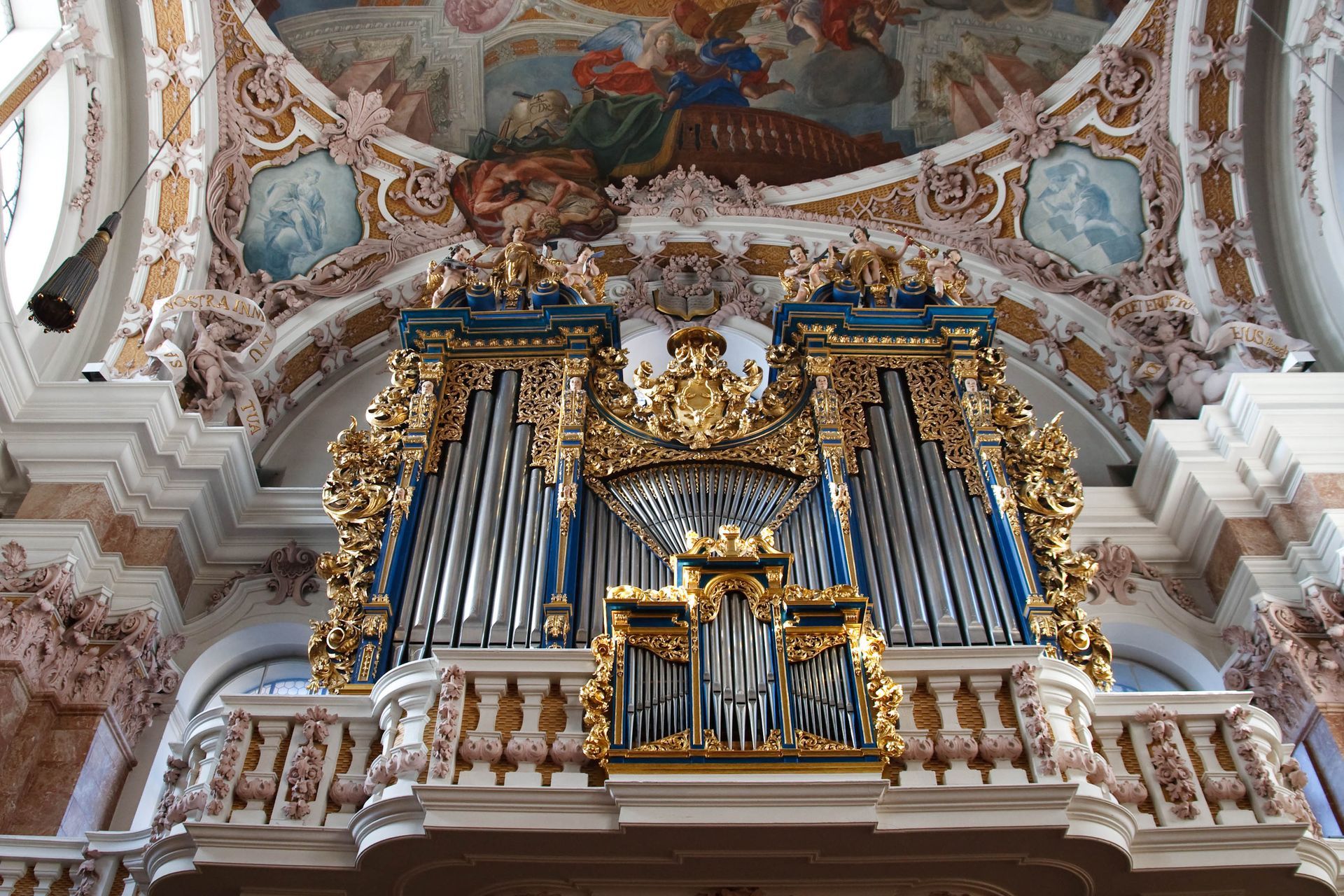
Art transforms atmosphere, and in religious settings, sculpture carries the power to shape emotion and focus. Custom statuary can create a profound sense of peace, reverence, and transcendence when integrated thoughtfully within a worship space. Each placement—whether in a sanctuary, courtyard, or chapel—invites reflection and dialogue with the divine.
According to Emergen Research, churches and religious institutions invested approximately US $1.2 billion in 2024 toward building maintenance and restoration, with stained-glass work accounting for about 18% of that total. This level of commitment highlights the enduring importance of visual art in shaping spiritual experiences. Similarly, investments in custom sculptures demonstrate how beauty and faith intertwine to elevate the worship environment.
When art, architecture, and light unite harmoniously, sacred spaces become more than physical structures—they become spiritual sanctuaries. Custom statuary plays an essential role in that transformation, enriching environments where prayer, contemplation, and community thrive.
Fostering Connection and Meditation
Beyond aesthetics, sacred sculpture invites mindfulness and contemplation. The presence of a statue encourages worshippers to slow down, reflect, and connect deeply with their beliefs. Positioned in quiet chapels, meditation gardens, or prayer halls, these works guide individuals toward focus and spiritual grounding.
Each piece of custom statuary acts as a physical anchor for meditation, creating an intimate dialogue between the human and the divine. The tactile and visual qualities of sculpture engage multiple senses, reinforcing emotional and spiritual depth. In many traditions, rituals surrounding these statues—lighting candles, offering flowers, or silent prayer—deepen this meditative relationship, helping believers feel centered and connected.
The collaborative creation process itself also fosters connection. When a congregation commissions a statue, it often becomes a shared spiritual journey, blending artistry and devotion into one unified expression of faith.
Embracing Inclusivity and Representation
Modern faith communities increasingly view art as a means of inclusivity. Through custom statuary, they can reflect diverse cultures, genders, and experiences within their congregations. These sculptures affirm that every believer—regardless of background—has a place within the sacred narrative.
Artists are working with communities to create statues that represent broader aspects of humanity. Whether through multicultural depictions of saints or gender-inclusive divine imagery, these projects embody the universality of faith. By embracing diversity, custom statuary becomes both a celebration of individuality and a statement of unity.
This inclusivity extends beyond visual representation—it symbolizes acceptance and equality, reinforcing the idea that spirituality transcends boundaries. As religious spaces grow more open and reflective of the modern world, art continues to lead the way toward compassion and understanding.
Celebrating Modern Examples of Sacred Art
Contemporary installations worldwide demonstrate how custom sculptures can transform spaces and strengthen faith communities. St. John’s Cathedral in New York, for example, revitalized its interior with a series of modern statues that merged Gothic motifs with present-day design. These pieces reinvigorated the congregation’s connection to the church’s heritage while appealing to new generations.
Another example is the Temple of Divine Light in Los Angeles, which commissioned sculptures of deities from multiple world religions. This interfaith approach highlighted shared spiritual values and created a powerful symbol of unity and peace. Meanwhile, the Garden of Peace at St. Benedict’s Monastery incorporated sustainable, hand-carved stone statues into its meditative landscape, offering visitors a tranquil space for reflection.
Each of these projects illustrates the emotional and spiritual resonance of custom statuary in contemporary worship. Through craftsmanship, collaboration, and creativity, modern artisans continue to uphold the ancient dialogue between art and faith—reminding believers that beauty remains one of the most powerful expressions of the sacred.
Custom statuary continues to shape the spiritual and visual landscape of modern worship. It bridges history and innovation, offering believers new ways to experience and express faith. Whether through inclusivity, symbolic design, or meditative power, these sculptures affirm art’s enduring ability to connect humanity with the divine. As communities evolve, custom statuary will remain a timeless expression of devotion, beauty, and shared belief—keeping sacred spaces alive with meaning and grace.