June 19, 2026
The relationship between regular congregation attendance and the increasing demand for religious art restorations highlights a powerful cultural synergy. Active community engagement in places of worship spurs both financial and cultural support for preserving artworks that form an integral part of religious heritage. When communities gather consistently, their shared experiences naturally foster a collective responsibility toward maintaining the sacred visual history that defines their faith tradition.
According to ChurchTrac, 20% of Americans attend church every week. This consistent baseline of active participants ensures that modern sacred spaces remain vibrant epicenters of life, stewardship, and artistic appreciation. Rather than viewing historic sanctuaries as static museums, regular attendees experience them as living environments where physical care directly mirrors spiritual vitality. Consequently, consistent weekly presence acts as the primary catalyst for funding, executing, and celebrating the renewal of sacred masterpieces.
Preserving the Historical Legacy of Faith
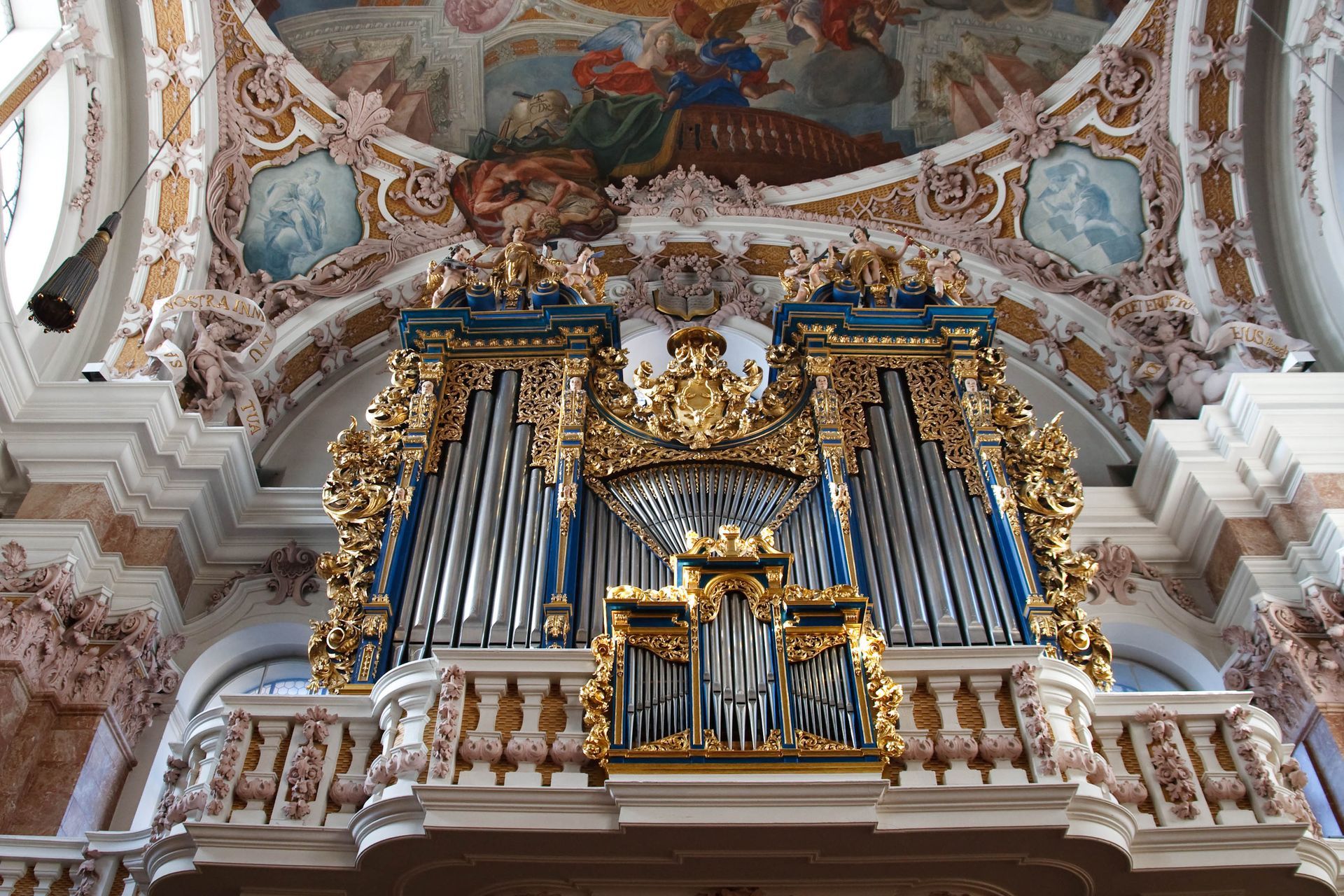
Religious art has a long-standing history that dates back to ancient civilizations where it served as a primary medium for communicating beliefs and stories. Over centuries, master artists have used diverse visual media to depict complex religious narratives, offering profound insights into past cultures and their spiritual systems. This historical significance drives the contemporary desire to pursue meticulous religious art restorations, ensuring that these masterpieces continue to convey their original theological and aesthetic intent to modern audiences.
The historical significance of sacred art is also found in its unique ability to reflect the ongoing evolution of human religious thought. As doctrines and collective beliefs shifted across eras, the artistic expressions capturing them evolved as well, providing an invaluable visual documentation of spiritual history. Through these enduring visual narratives, worshippers throughout history could associate themselves more closely with their inherited faith tradition. This deep structural continuity demonstrates a cross-generational dedication to maintaining these pieces for posterity.
Moreover, sacred visual masterworks act as communal symbols of identity, uniting followers under a shared visual representation of core truths and values. As these artifacts inevitably age, the communities that cherish them undertake sophisticated religious art restorations to guarantee they remain central features of contemporary worship environments. Preserving these historic assets extends far beyond the physical maintenance of wood, canvas, or stone; it represents a living commitment to safeguarding spiritual and cultural integrity across generations.
Connecting Deep Spiritual Devotion to Aesthetics
Art consistently mirrors the beliefs of its creators, serving as a proxy for expressing profound spiritual concepts through accessible visual forms. When artists create sacred pieces, they infuse their works with their spiritual understanding, making the final product a direct extension of faith. The careful use of symbolism, motifs, and sacred subjects showcases how personal and collective beliefs are reflected in artistic expression. Art gives form to the sacred, transforming abstract thoughts into a physical medium that communicates shared spiritual ideals.
Iconography in sacred environments holds significant emotional weight for believers, enabling a deep spiritual connection through visual engagement. These historic images command a powerful presence, capable of evoking profound feelings and creating intangible bonds between the sacred and the observer. Emotional responses to these pieces consistently serve to strengthen individual conviction and offer solace during times of distress. The deep emotion conveyed through restored visual art often transcends linguistic and cultural barriers, uniting diverse worshippers in shared devotion.
Sacred texts provide a rich, continuous source of inspiration for these creative works, often serving as the blueprint from which artists draw their conceptual framework. Artists interpret these foundational texts, translating narrative and philosophical ideas into striking visual forms to bridge the gap between literary and visual comprehension. Through professional religious art restorations, the vital links between sacred texts and the art they inspire are safeguarded, ensuring a continuous dialogue between scriptural text and historical imagery.
Fostering Stewardship Through Regular Attendance
Consistent weekly attendance at places of worship builds a powerful sense of community spirit, which directly fuels the push for conservation initiatives. The shared experience of attending regular services provides a communal connection that extends beyond individual belief, incorporating cultural appreciation and active artistic investment. A community united by regular attendance naturally rallies around the specific goals of preserving their shared heritage, encouraging grassroots initiatives that protect vulnerable artistic landmarks.
This community spirit breeds a deep sense of ownership, driving congregants to invest time, resources, and energy into maintaining their worship environment. This collaborative commitment to ongoing religious art restorations becomes a tangible expression of active faith, nurturing a culture of shared reverence. Regular weekly attendance plays a fundamental role in generating the long-term enthusiasm and steady volunteer support necessary to advance complex, multi-year conservation projects from conception to completion.
Furthermore, the collaborative nature of active religious communities amplifies their ability to manage art preservation, pooling diverse resources and professional skills toward common goals. As they prioritize the physical state of their sacred spaces, communities build upon shared interests and abilities, fostering an inclusive environment focused on cultural enrichment. Regular attendance strengthens these endeavors, providing the continuity and structural solidarity needed to successfully sustain major restorative initiatives over long periods.
Securing Financial Resources for Conservation
One of the key practical elements linking weekly attendance to successful religious art restorations is the steady financial support provided by dedicated congregants. Regular attendance ensures a predictable flow of donations, making it possible for institutions to allocate necessary funds toward specialized preservation projects. These financial contributions reflect a deep commitment to preserving heritage, as congregants see the direct, uplifting impact of their support within their community's sacred spaces.
As congregations grow stronger through sustained attendance, their collective financial capacity to undertake extensive, professional restorations increases. Specialized conservation work requires significant investment, involving structural stabilization, chemical cleaning, and pigment matching by trained experts. Regular tithing and targeted building funds, driven by an engaged weekly audience, provide the robust capital required to contract certified conservators and secure high-grade preservation materials.
Ultimately, a financially stable congregation ensures that historic art pieces do not fall into irreparable decay. By integrating preservation costs into the operational framework supported by weekly attendees, religious institutions protect their treasures from environmental degradation and wear. This financial predictability allows administrators to plan proactive maintenance schedules rather than reacting to structural emergencies, guaranteeing that the visual beauty of the sanctuary remains completely uninterrupted for future generations.
Inspiring Future Generations Through Visual Beauty
The long-term impact of maintaining pristine sacred art extends far into the future, providing a continuous educational tool for incoming generations. Well-preserved visual narratives deliver compelling stories that reinforce theological concepts, crossing barriers of literacy and language by conveying complex ideas directly and powerfully. Stained glass windows, detailed sculptures, and vibrant sanctuary murals all serve to embody intense educational value, showcasing the historical roots of the community's shared faith.
Investing in religious art restorations ensures that the visual brilliance of these educational assets never fades or becomes obscured by smoke, dust, or structural damage. When young members witness the careful preservation of their sanctuary's artwork, they absorb a profound lesson regarding the value of their cultural lineage. This active preservation work helps contextualize complex historic doctrines, making them accessible, relatable, and deeply inspiring to a modern, visually-oriented generation of worshippers.
The symbiotic relationship between a dedicated, active congregation and the physical preservation of sacred masterpieces remains undeniable. Weekly attendance provides both the spiritual passion and the financial framework necessary to keep historic sanctuaries functional, beautiful, and profoundly inspiring. Through consistent community stewardship and professional conservation efforts, these sacred visual traditions continue to thrive as living testaments to shared beliefs. For more information about the services that we offer, reach out to our incredible team at A.T. Merhaut, Inc Church Restoration & Supply today!